
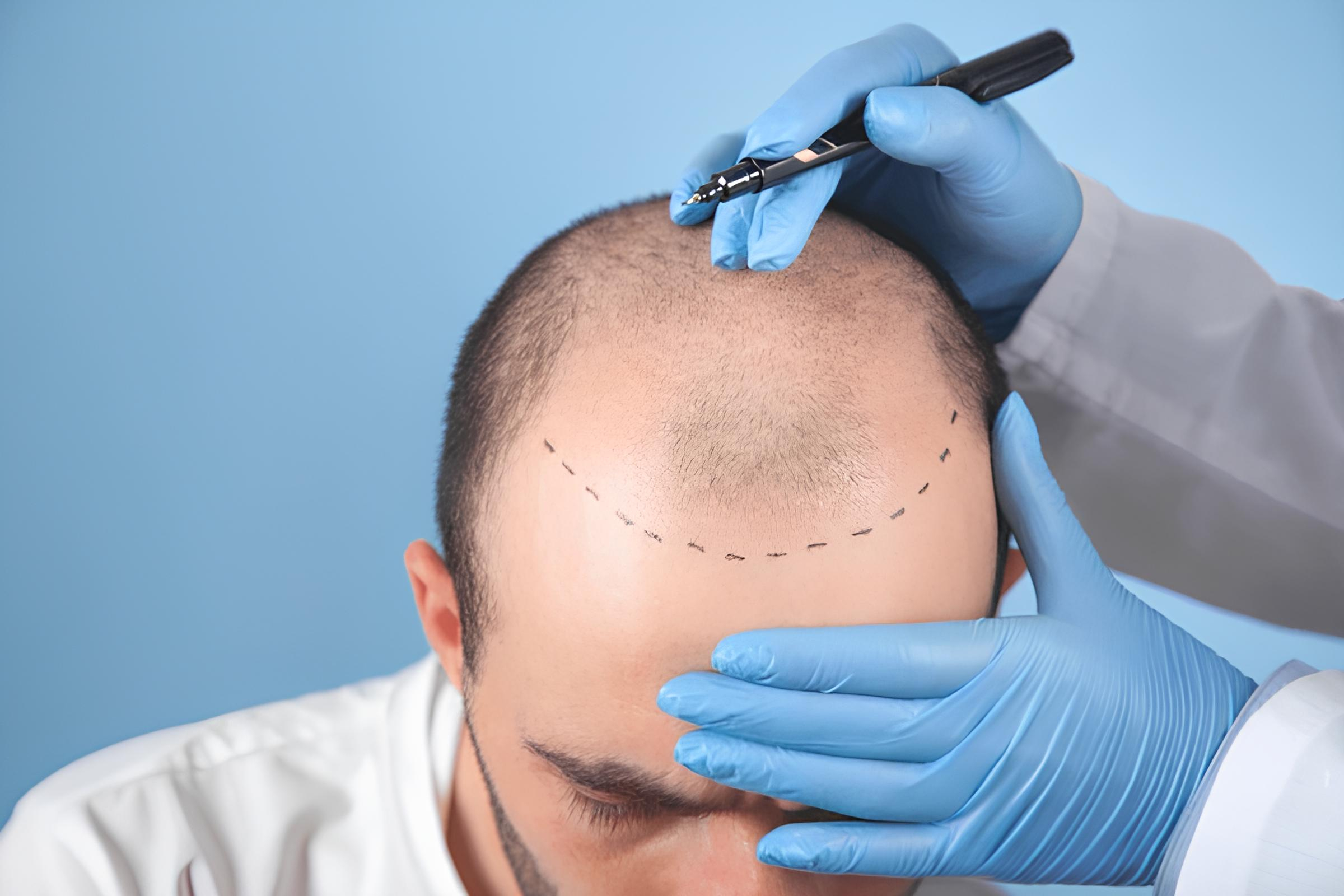
Hair loss is not a one-size-fits-all condition, and understanding its type is essential before considering treatment options. Many individuals exploring Hair Transplant in Riyadh often struggle to determine whether their condition is suitable for surgery, especially when comparing diffuse thinning with clearly defined bald spots. Each type of hair loss behaves differently, progresses differently, and responds differently to transplantation. Knowing the distinction helps patients and specialists create realistic expectations and choose the most effective restoration strategy for long-term results.
Understanding Diffuse Thinning:
Diffuse thinning refers to a gradual reduction in hair density across the entire scalp rather than in specific areas. Instead of forming visible bald patches, the hair becomes overall thinner, making the scalp more noticeable under light or certain hairstyles. This condition can be more challenging to evaluate because the donor and recipient areas may both be affected. Common characteristics include:
- Even reduction in hair density across the scalp
- Widening of the hair part line
- Increased scalp visibility under light
- Overall weakening of hair volume
- Slow and progressive hair loss pattern
Diffuse thinning is often linked to hormonal changes, genetics, stress, or nutritional deficiencies.
Understanding Bald Spots:
Bald spots, also known as localized hair loss, occur when hair falls out in specific areas, creating clearly defined patches of hair loss. These spots can appear on the crown, hairline, or other isolated regions of the scalp. Unlike diffuse thinning, the surrounding hair may remain strong and dense. This type of hair loss is often easier to identify and treat because the donor area is usually unaffected. Common features include:
- Clearly defined bald patches
- Healthy hair surrounding the affected area
- Faster visible progression in certain zones
- Strong contrast between bald and dense regions
- More predictable hair loss pattern
Bald spots are often associated with conditions like androgenetic alopecia or alopecia areata.
How Hair Transplants Work for Each Type:
Hair transplants involve moving healthy hair follicles from a donor area to thinning or bald regions. However, the effectiveness of the procedure depends heavily on the type of hair loss. In cases of bald spots, the process is more straightforward because the target area is clearly defined. In diffuse thinning, careful evaluation is needed to ensure donor stability and long-term success. Key considerations include:
- Donor hair strength and availability
- Stability of hair loss progression
- Density distribution planning
- Long-term hair preservation strategy
- Natural blending with existing hair
Understanding how transplantation works for each condition is essential for realistic expectations.
Which Type Responds Better to Transplants:
In general, bald spots respond more predictably and effectively to hair transplants compared to diffuse thinning. This is because the treatment area is clearly defined and the surrounding hair is usually stable. Diffuse thinning can still be treated, but it requires more careful planning and may not always produce the same level of density improvement. Factors influencing success include:
- Stability of hair loss pattern
- Quality of donor area
- Extent of thinning or baldness
- Age and genetic factors
- Overall scalp health
Patients considering Hair Transplant in Riyadh are typically evaluated thoroughly to determine which category they fall into before proceeding.
Challenges of Treating Diffuse Thinning:
Diffuse thinning presents unique challenges because the hair loss is spread evenly across the scalp. This makes it difficult to identify a strong donor area and predict future progression. Surgeons must be extremely cautious to avoid overharvesting or creating unnatural density patterns. Challenges include:
- Limited contrast between donor and recipient areas
- Risk of continued thinning after surgery
- Difficulty achieving high density
- Need for long-term medical management
- Careful graft distribution planning
Because of these challenges, not all diffuse thinning cases are suitable for immediate transplantation.
Advantages of Treating Bald Spots:
Bald spots are generally more straightforward to treat with hair transplants because the affected areas are clearly defined. This allows surgeons to focus graft placement precisely where needed, resulting in more natural and dense outcomes. Advantages include:
- Clear target areas for implantation
- Better control over density design
- Stronger donor-to-recipient contrast
- Predictable growth patterns
- Higher patient satisfaction rates
This makes bald spot restoration one of the most successful applications of modern hair transplant techniques.
Role of Donor Hair Quality:
Donor hair quality plays a critical role in determining the success of both diffuse thinning and bald spot treatments. The donor area, usually located at the back or sides of the scalp, must have sufficient density and stability. If the donor area is weak or also affected by thinning, the results may be limited. Important donor considerations include:
- Hair thickness and texture
- Stability against future hair loss
- Density of follicles per square centimeter
- Scalp elasticity
- Overall health of the donor region
A strong donor area significantly improves transplant outcomes.
Importance of Hair Loss Stability:
Hair loss stability refers to whether the condition is still actively progressing or has stabilized over time. This is especially important when deciding between treating diffuse thinning or bald spots. Transplanting hair into an unstable area can lead to uneven results if further loss continues. Stability indicators include:
- Slower or stopped hair shedding
- Consistent hair density over time
- No rapid expansion of bald areas
- Response to medical treatments
- Age-related stabilization patterns
Surgeons often recommend waiting for stabilization before proceeding with surgery in certain cases.
Medical Treatments vs Surgical Solutions:
Not all hair loss types require immediate surgical intervention. In many cases, medical treatments such as medications or topical solutions are recommended first, especially for diffuse thinning. These treatments aim to slow progression and strengthen existing hair. Surgical solutions are more suitable when hair loss has become permanent or clearly defined. Treatment comparisons include:
- Medical therapy for early-stage thinning
- Transplants for permanent bald areas
- Combination approaches for mixed cases
- Maintenance therapy after surgery
- Personalized treatment planning
This combined approach often produces the best long-term results.
Psychological Impact of Each Hair Loss Type:
Hair loss affects individuals differently depending on whether it appears as diffuse thinning or bald spots. Diffuse thinning often causes gradual anxiety due to overall volume loss, while bald spots may create more sudden self-consciousness due to visible patches. Emotional effects include:
- Reduced confidence in social settings
- Increased awareness of appearance changes
- Stress related to progression unpredictability
- Desire for quick and effective solutions
- Motivation to seek professional help early
Understanding the psychological impact helps guide treatment decisions.
Realistic Expectations After Transplant:
Regardless of the hair loss type, realistic expectations are essential for satisfaction with transplant results. Hair transplants improve density and appearance but do not restore unlimited hair or completely stop future natural loss. Patients should expect:
- Gradual improvement over several months
- Natural but limited density restoration
- Possible need for medical maintenance
- Individual variation in outcomes
- Long-term care requirements
Setting realistic expectations ensures better emotional and aesthetic satisfaction.
Final Thoughts:
Diffuse thinning and bald spots represent two very different types of hair loss, and their response to transplantation varies significantly. While bald spots generally respond more predictably due to clearly defined treatment areas, diffuse thinning requires more careful evaluation and may involve combined medical and surgical approaches. Understanding the nature of hair loss is essential before deciding on treatment. With proper diagnosis, planning, and expert care, individuals can achieve natural-looking and long-lasting results. For those considering Hair Transplant in Riyadh, a personalized assessment remains the most important step in determining the best approach for effective hair restoration.

 English
 French
 Spanish
 Portuguese
 Deutsch
 Turkish
 Dutch
Dutch
 Italiano
 Russian
 Romaian
 Portuguese (Brazil)
 Greek
Greek