
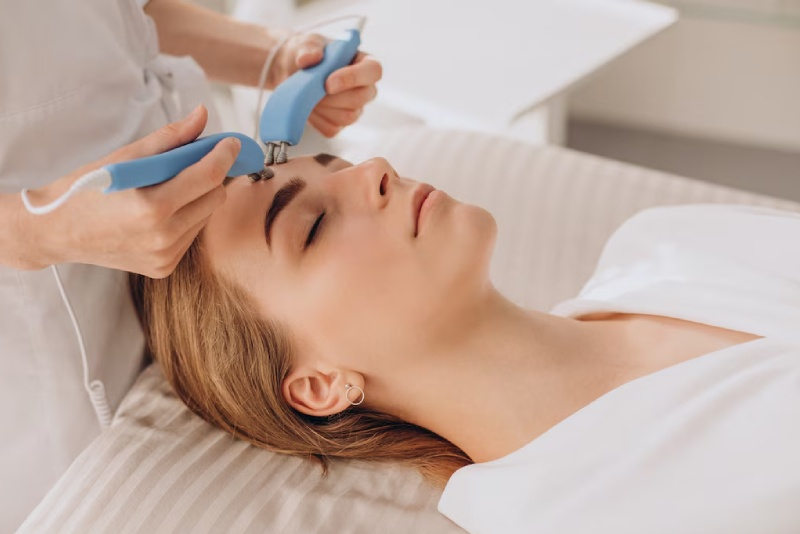
Freckles are small pigmented spots that commonly appear due to sun exposure and genetic factors, often becoming more visible over time. Many individuals seek cosmetic solutions to reduce their appearance and achieve a more even skin tone. In modern dermatology, Q-switched Laser Treatment is widely used to target freckles by breaking down excess melanin in a controlled and precise manner, helping improve skin clarity with minimal damage to surrounding tissue.
Understanding Freckles and Why They Form:
Freckles are clusters of melanin that appear on the skin’s surface, usually triggered by ultraviolet (UV) exposure and genetic predisposition. They are more common in individuals with lighter skin tones but can appear across all skin types.
Key characteristics of freckles include:
- Small, flat brown or light brown spots
- Increased visibility after sun exposure
- More prominent on face, arms, and shoulders
- Often hereditary in nature
- Non-cancerous and harmless skin marks
Freckles may fade in winter but tend to darken during summer months due to increased sun exposure.
How Q-Switched Lasers Treat Freckles:
Laser technology targets pigmentation by delivering short bursts of high-energy light into the skin. The melanin in freckles absorbs this energy and breaks into smaller particles, which are then naturally eliminated by the body.
This process helps:
- Lighten pigmented spots
- Target melanin clusters precisely
- Preserve surrounding healthy skin
- Improve overall skin tone uniformity
Because freckles are usually superficial, they often respond well to controlled laser treatments compared to deeper pigmentation conditions.
Before Treatment Expectations:
Before starting laser therapy, patients undergo a skin evaluation to determine suitability and expected results. Dermatologists assess freckle density, skin type, and sensitivity to ensure safe treatment planning.
Before treatment, patients are typically advised to:
- Avoid sun exposure for several days
- Stop using harsh skincare products
- Keep skin well-hydrated
- Share medical history and skin concerns
- Avoid tanning or chemical exfoliation
Proper preparation helps improve treatment safety and enhances results.
What Happens During the Procedure:
A typical laser session is relatively quick and non-invasive. The skin is first cleansed, and protective eyewear is provided. Some patients may receive a numbing cream depending on sensitivity levels.
During the session:
- Laser pulses are directed at freckled areas
- A mild snapping sensation may be felt
- Treatment usually lasts 15–30 minutes
- Cooling methods may be used for comfort
- Target areas are treated with precision
Most patients are able to resume normal activities shortly after the procedure.
Immediate After Treatment Appearance:
After the session, the skin may show temporary reactions as it begins to heal. These reactions are part of the normal recovery process and usually resolve within a few days.
Common immediate effects include:
- Mild redness
- Slight swelling
- Darkening of freckles (temporary)
- Warm sensation on skin
- Light sensitivity
The temporary darkening of freckles is a normal response and indicates pigment breakdown.
Healing Process and Skin Changes:
Over the following days and weeks, the body gradually removes fragmented pigment particles. This leads to a visible lightening of freckles and improvement in skin tone.
Healing progression may include:
- Gradual fading of freckles
- Brighter and more even complexion
- Smoother skin texture
- Reduced pigmentation intensity
- Improved skin clarity
Multiple sessions are often required for optimal results depending on freckle density.
Before and After Results Explained:
Results vary depending on skin type, freckle severity, and sun exposure habits. Some individuals experience noticeable improvement after just one session, while others require several treatments for desired outcomes.
Before and after expectations include:
- Before: Visible brown spots and uneven tone
- After: Lighter freckles and more uniform skin appearance
- Before: Patchy pigmentation on sun-exposed areas
- After: Smoother and clearer complexion
- Before: Frequent darkening after sun exposure
- After: Reduced pigment intensity with maintenance care
While freckles may not always disappear completely, they often become significantly lighter and less noticeable.
Factors That Influence Treatment Success:
Several factors determine how effectively freckles respond to laser treatment. These include both biological and lifestyle-related elements.
Key influencing factors:
- Skin type and melanin levels
- Depth of pigmentation
- Frequency of sun exposure
- Age of freckles
- Number of treatment sessions
- Consistency with aftercare
Individuals who avoid sun exposure tend to achieve more stable and longer-lasting results.
Importance of Sun Protection After Treatment:
Sun protection plays a critical role in maintaining results and preventing freckles from reappearing or darkening again. UV exposure is one of the main triggers for pigmentation recurrence.
Recommended protective measures include:
- Daily sunscreen use
- Wearing hats and protective clothing
- Avoiding peak sunlight hours
- Reapplying sunscreen regularly
- Using gentle skincare products
Without proper sun protection, freckles may return even after successful treatment.
Possible Side Effects and Risks:
Laser treatments are generally safe when performed by qualified professionals, but temporary side effects can still occur, especially in sensitive skin types.
Possible side effects include:
- Redness and mild irritation
- Temporary swelling
- Slight dryness or flaking
- Skin sensitivity
- Temporary darkening of freckles
These effects are usually short-lived and improve with proper skincare.
Who Is an Ideal Candidate:
Not everyone responds to laser treatment in the same way, so dermatologists evaluate each patient before recommending procedures. Freckle treatment works best for individuals seeking cosmetic improvement in skin tone.
Ideal candidates often include:
- Individuals with visible facial freckles
- People with sun-induced pigmentation
- Patients with stable skin conditions
- Those avoiding excessive sun exposure
- Individuals seeking non-invasive treatment
A consultation helps determine realistic expectations and personalized treatment plans.
Importance of Professional Treatment:
The success of freckle removal depends on the skill of the dermatologist and the quality of the equipment used. Proper laser settings must be adjusted based on skin type to avoid complications.
Key considerations include:
- Experienced dermatologists
- Advanced laser technology
- Safe treatment protocols
- Customized settings for skin type
- Proper consultation process
- Hygiene and safety standards
Professional care ensures safer outcomes and better long-term results.
Final Thoughts:
Freckle treatment using laser technology offers a modern and effective approach for individuals looking to achieve a more even and refined skin appearance. While results vary from person to person, most patients experience visible improvement in pigmentation, skin clarity, and overall tone after a series of sessions. With proper sun protection, realistic expectations, and treatment from an experienced dermatologist, long-lasting improvement is achievable, making it a reliable option for managing freckles and enhancing skin confidence.

 English
 Arabic
 French
 Spanish
 Portuguese
 Deutsch
 Turkish
 Dutch
Dutch
 Italiano
 Romaian
 Portuguese (Brazil)
 Greek
Greek