
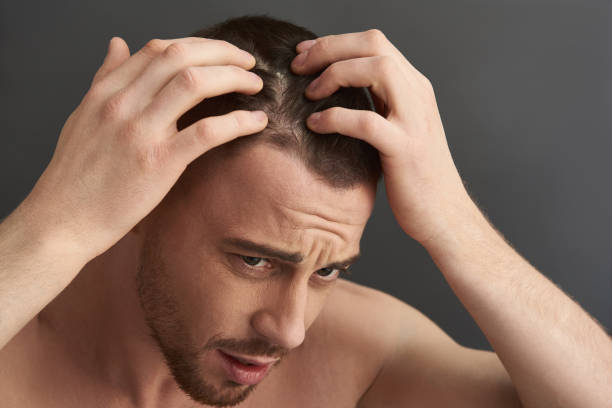
Hair loss can significantly affect a person's appearance and self-confidence, leading many individuals to explore advanced hair restoration options. Among the most popular and effective solutions available today is the FUE Hair Transplant, a modern procedure that helps restore natural hair growth by transplanting healthy hair follicles into areas affected by thinning or baldness. While the procedure itself is an important step, many patients are equally interested in understanding the recovery process and how long it takes to achieve visible results.
Recovery is a crucial part of the hair restoration journey. The success of a FUE Hair Transplant depends not only on the procedure but also on how well the scalp heals and how effectively the transplanted follicles establish themselves in their new location. Understanding the different stages of recovery can help patients set realistic expectations and feel more confident throughout the process.
The FUE Hair Transplant is known for its minimally invasive approach, which generally allows for a smoother and faster recovery compared to some traditional hair transplant techniques. However, every individual heals differently, and several factors can influence the timeline. This guide explains what to expect during recovery and how long each stage typically lasts.
Understanding the FUE Recovery Process
Why Recovery Matters
The recovery period is essential because it allows the transplanted follicles to settle into the scalp and begin their growth cycle. During this time, the scalp heals from both the extraction and implantation stages of the procedure.
Proper recovery supports healthy follicle survival and helps maximize the chances of achieving natural-looking and long-lasting results.
Factors That Affect Recovery
Several factors can influence recovery speed and overall outcomes, including:
- Age and general health
- Scalp condition
- Number of grafts transplanted
- Hair characteristics
- Adherence to aftercare instructions
While recovery timelines vary, most patients follow a similar healing pattern.
The First 24 to 72 Hours
Initial Healing Begins
The first few days after the procedure are considered the most delicate stage of recovery. During this period, the scalp begins healing and the transplanted follicles start adapting to their new environment.
Some individuals may experience:
- Mild redness
- Slight swelling
- Tenderness
- Tightness of the scalp
These effects are generally temporary and gradually improve over the following days.
Protecting the Newly Transplanted Grafts
Extra care should be taken during the first few days to avoid disturbing the transplanted follicles. Proper scalp care is important because the grafts are still settling into place.
Recovery During the First Week
Scab Formation
Tiny scabs often develop around the transplanted follicles. This is a normal part of the healing process and helps protect the grafts while the scalp recovers.
The scabs should be allowed to fall off naturally rather than being removed manually.
Reduced Discomfort
As the week progresses, swelling and redness typically begin to decrease. Most patients find that discomfort becomes minimal after several days.
Returning to Routine Activities
Many individuals are able to resume light daily activities relatively quickly, although strenuous activities may still need to be avoided during this stage.
Weeks Two to Four After FUE
Visible Healing Progress
By the second and third weeks, most signs of the procedure become less noticeable. The scalp generally appears healthier, and any remaining redness continues to fade.
Temporary Hair Shedding
One of the most common and expected stages of recovery is temporary shedding of transplanted hairs. This phase can sometimes cause concern, but it is a normal part of the hair growth cycle.
The follicles themselves remain healthy beneath the scalp even though the visible hairs may shed.
Follicles Enter a Resting Phase
Following shedding, the follicles enter a temporary resting stage before new growth begins.
The First Three Months
Patience Is Important
During the first few months, patients may not see significant visible changes. This period is often referred to as the waiting phase because the follicles are preparing for future growth beneath the surface of the scalp.
Continued Internal Development
Although little growth may be visible externally, important biological changes are occurring within the follicles as they become established in their new location.
Healthy Healing Continues
The scalp continues strengthening and recovering, creating a supportive environment for future hair growth.
Three to Six Months After the Procedure
Early Hair Growth Begins
Many patients begin noticing new hair growth within this timeframe. The first hairs that emerge are often fine and soft.
Gradual Increase in Density
As more follicles become active, the transplanted area starts appearing fuller.
Improved Appearance
Hair coverage gradually improves, and patients often begin seeing the benefits of their procedure more clearly.
Six to Nine Months After FUE
Significant Progress
This period is when many individuals notice major improvements in their hair restoration results.
The newly growing hair becomes:
- Thicker
- Stronger
- More noticeable
- Better blended with existing hair
Greater Hair Density
Hair density continues to increase as more transplanted follicles enter the active growth phase.
Enhanced Confidence
Many patients experience a boost in confidence as their appearance improves and hair coverage becomes more visible.
Nine to Twelve Months and Beyond
Near-Final Results
Most patients see substantial results within the first year following their procedure.
The transplanted hair continues to mature, creating a fuller and more natural appearance.
Long-Term Hair Growth
The transplanted follicles are generally resistant to common patterns of hair loss and continue producing hair for many years.
Ongoing Improvements
Even after twelve months, subtle improvements in density and texture may continue to develop.
Tips for Supporting Recovery
Follow Professional Advice
Carefully following aftercare recommendations is one of the most important factors in achieving successful results.
Protect the Scalp
Avoid activities that may place unnecessary stress on the treated areas during the healing period.
Maintain a Healthy Lifestyle
Good nutrition, hydration, and overall wellness can support healthy hair growth.
Attend Follow-Up Appointments
Regular check-ups allow specialists to monitor progress and address any concerns during recovery.
What Makes FUE Recovery Easier?
Minimally Invasive Technique
Unlike some older methods, FUE does not require the removal of a strip of scalp, which contributes to a more comfortable recovery experience.
Minimal Scarring
The procedure leaves tiny extraction points that are usually difficult to detect once healing is complete.
Natural Results
The precise placement of follicles helps create natural-looking hair growth that blends seamlessly with existing hair.
Book Your Appointment at Royal Clinic Saudia
If you are considering hair restoration and want expert guidance throughout every step of your journey, Royal Clinic Saudia is ready to help. Our experienced team provides personalized consultations and advanced hair restoration solutions designed to help you achieve fuller, healthier, and natural-looking hair. Schedule your appointment today and take the first step toward restoring your confidence.
FAQs:
How long does recovery take after an FUE hair transplant?
Initial healing typically occurs within a few weeks, while complete hair growth and final results continue developing over several months.
Is hair shedding normal after FUE?
Yes, temporary shedding is a common and expected part of the recovery process before new hair growth begins.
When will I start seeing new hair growth?
Most patients begin noticing new hair growth between three and six months after the procedure.
Are FUE results permanent?
Transplanted follicles are generally resistant to common forms of hair loss, making the results long-lasting and natural-looking.

 English
 Arabic
 French
 Spanish
 Portuguese
 Deutsch
 Turkish
 Dutch
Dutch
 Russian
 Romaian
 Portuguese (Brazil)
 Greek
Greek