
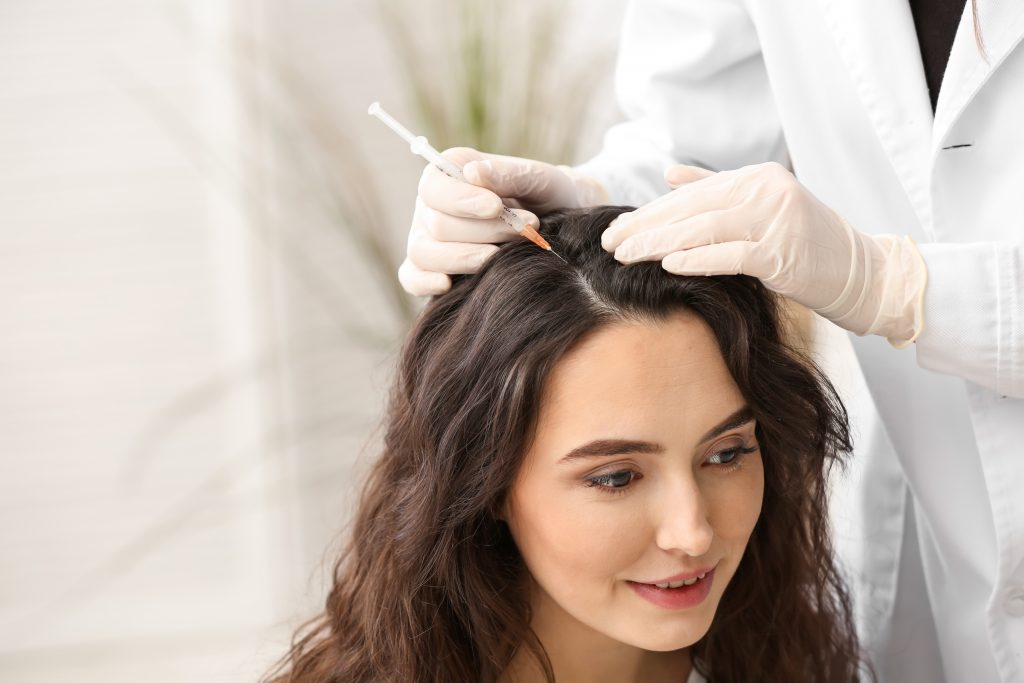
Hair thinning and hair loss can be distressing, leading many people to explore modern, non-surgical solutions that help restore confidence and improve hair health. One of the most widely discussed options today is Platelet-Rich Plasma (PRP) hair treatment, a regenerative procedure that uses the body’s own healing factors to stimulate hair growth. The increasing demand for PRP Treatment In Saudi Arabia reflects a growing interest in safe, minimally invasive treatments that support natural hair restoration. Before deciding to undergo PRP therapy, it is important to understand how it works, what to expect, and whether it is the right choice for your hair concerns.
What Is PRP Hair Treatment:
PRP hair treatment is a medical procedure that involves drawing a small amount of the patient’s blood, processing it to extract platelet-rich plasma, and injecting it into areas of the scalp affected by hair thinning. Platelets contain growth factors that support tissue repair and regeneration. When introduced into the scalp, these growth factors may help stimulate inactive or weakened hair follicles, improve blood circulation, and enhance scalp health. Because PRP uses the patient’s own biological material, it is considered a natural and minimally invasive approach to hair restoration.
How PRP Hair Treatment Works:
The effectiveness of PRP therapy lies in its ability to activate the body’s natural healing mechanisms. Once the platelet-rich plasma is injected into the scalp, it begins interacting with hair follicles at a cellular level. These growth factors may encourage follicles to enter the active growth phase of the hair cycle and remain there for longer periods. Over time, this can lead to improved hair thickness, reduced shedding, and stronger hair strands. However, results depend on individual response and the condition of the hair follicles prior to treatment.
Who Is a Good Candidate for PRP:
Not everyone experiencing hair loss will respond equally to PRP therapy. The treatment is generally most effective for individuals who still have active hair follicles. Ideal candidates often include:
- Men with early-stage pattern baldness
- Women experiencing diffuse thinning
- Individuals noticing increased hair shedding
- Patients with mild to moderate hair loss
- People seeking non-surgical hair restoration options
Those with complete baldness or long-term follicle inactivity may not achieve significant regrowth, making early evaluation an important step before treatment.
What to Expect During the Procedure:
Understanding the treatment process can help reduce anxiety and improve preparation. A typical PRP session includes several steps:
- A small blood sample is drawn from the arm
- The blood is processed in a centrifuge to separate plasma
- The scalp is cleaned and prepared for injections
- PRP is carefully injected into targeted areas
- The session usually takes less than an hour
Most patients tolerate the procedure well, and discomfort is generally mild and temporary. Some clinics may apply a numbing agent to enhance comfort during injections.
Preparation Before PRP Treatment:
Proper preparation can help improve treatment outcomes and ensure a smoother procedure. Patients are often advised to follow certain guidelines before their appointment. These may include:
- Staying well hydrated before treatment
- Avoiding alcohol and smoking for a short period
- Refraining from blood-thinning medications if advised by a doctor
- Washing hair thoroughly before the session
- Informing the provider about medical conditions or allergies
Following pre-treatment instructions carefully can help optimize the quality of the platelet-rich plasma and improve overall results.
Benefits of PRP Hair Treatment:
PRP therapy is popular because it offers multiple benefits without requiring surgery or long recovery periods. Many patients choose it for its natural approach and minimal downtime. Key benefits include:
- Non-surgical and minimally invasive procedure
- Use of the patient’s own blood components
- Low risk of allergic reactions
- Improved hair thickness and density
- Reduced hair shedding over time
- Short treatment and recovery time
- Compatibility with other hair loss treatments
These advantages make PRP an appealing option for individuals looking to enhance hair health gradually and naturally.
Possible Side Effects and Risks:
Although PRP is considered safe, it is still a medical procedure and may involve mild side effects. Most reactions are temporary and resolve within a few days. Common side effects include:
- Mild scalp redness
- Temporary swelling or tenderness
- Slight bruising at injection sites
- Minor discomfort during or after treatment
- Temporary sensitivity of the scalp
Serious complications are rare, especially when the procedure is performed by a qualified medical professional using proper techniques and sterile equipment.
How Many Sessions Are Needed:
PRP hair restoration is typically not a one-time treatment. Most patients require multiple sessions to achieve optimal results. A standard treatment plan may include an initial series of sessions spaced a few weeks apart, followed by maintenance treatments. The exact number of sessions depends on factors such as hair loss severity, individual response, and treatment goals. Consistency is key to achieving and maintaining visible improvements in hair growth.
When Will You See Results:
Results from PRP therapy develop gradually because the treatment works by stimulating natural biological processes. Many patients begin to notice reduced hair shedding within the first two to three months. Improvements in hair thickness and density typically become more visible after several sessions. However, full results may take six months or longer, depending on individual response and adherence to the treatment plan.
Factors That Influence Results:
Several internal and external factors can affect how well PRP works for each individual. These include:
- Age and overall health
- Genetics and type of hair loss
- Severity of follicle damage
- Lifestyle habits such as diet and stress
- Consistency of treatment sessions
- Quality of post-treatment care
Understanding these factors helps set realistic expectations and improves satisfaction with the overall outcome.
PRP Compared to Other Hair Restoration Options:
PRP therapy differs from other hair loss treatments because it focuses on stimulating existing follicles rather than replacing them. Unlike hair transplant surgery, it does not involve moving hair from one area to another. Compared to medications, it does not require daily use but instead relies on periodic sessions. Many patients choose PRP as a first-line treatment for early hair thinning or as a complementary therapy alongside other hair restoration methods.
Why PRP Is Becoming More Popular:
The demand for regenerative hair treatments continues to grow as more people seek natural and minimally invasive solutions. The increasing interest in PRP Treatment In Saudi Arabia reflects this global trend toward advanced aesthetic procedures that deliver results without surgery. As awareness spreads, more individuals are exploring PRP as a safe and effective way to address hair thinning and maintain long-term hair health.
Final Thoughts
Before undergoing PRP hair treatment, it is important to understand how the procedure works, who it is suitable for, and what kind of results can realistically be expected. While PRP cannot create new hair follicles or reverse advanced baldness, it can significantly improve hair thickness, reduce shedding, and support healthier follicle activity in the early stages of hair loss. With proper consultation, preparation, and consistency, many individuals experience noticeable improvements in hair quality over time. As the popularity of PRP Treatment In Saudi Arabia continues to rise, it remains a trusted and widely used option for those seeking a natural, non-surgical approach to hair restoration.

 English
 Arabic
 French
 Spanish
 Portuguese
 Deutsch
 Turkish
 Dutch
Dutch
 Italiano
 Russian
 Romaian
 Greek
Greek