
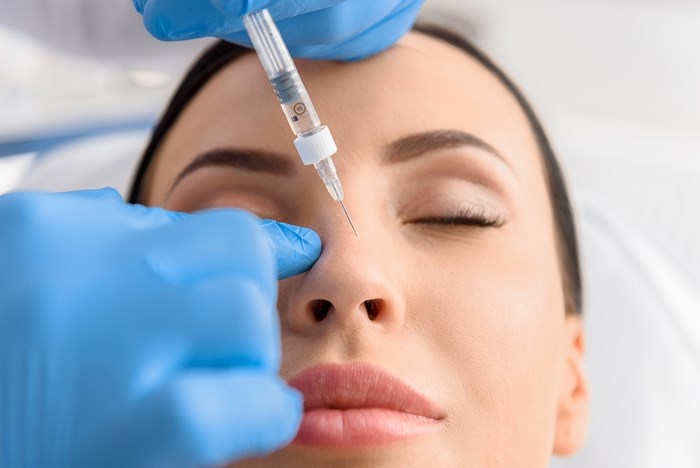
Liquid rhinoplasty has gained significant popularity as a non-surgical alternative to traditional nose surgery, but with its rise in demand, several misconceptions have also emerged. Many people are curious about the procedure but hesitate due to misinformation or unrealistic expectations. A Nose Filler Treatment can offer safe, effective, and natural-looking improvements when performed correctly, yet myths often prevent individuals from exploring it as a viable option. Understanding the truth behind these misconceptions is essential for making informed decisions about cosmetic enhancement.
What Liquid Rhinoplasty Really Is:
Liquid rhinoplasty is a minimally invasive cosmetic procedure that uses dermal fillers to reshape and contour the nose. Unlike surgical rhinoplasty, it does not involve cutting or restructuring bone and cartilage. Instead, small amounts of filler are strategically injected to improve symmetry, smooth irregularities, and enhance facial balance. The procedure is quick, often completed within an hour, and provides immediate results with minimal downtime.
Myth: Liquid Rhinoplasty Is the Same as Surgery:
One of the most common misconceptions is that liquid rhinoplasty is equivalent to surgical nose reshaping. In reality, the two procedures are fundamentally different. Surgery physically alters the structure of the nose, while fillers only modify its appearance by adding volume. Liquid rhinoplasty is best suited for minor cosmetic adjustments, not major reconstruction or functional correction.
Myth: It Can Make Your Nose Smaller:
Many people believe that liquid rhinoplasty can reduce nose size, but this is not true. Since dermal fillers add volume rather than remove it, they cannot physically make the nose smaller. Instead, they work by creating optical illusions that improve proportion and symmetry. For example, filling certain areas can make the nose appear straighter or more refined, but the actual size remains unchanged.
Myth: Results Look Fake or Overdone:
Another widespread myth is that liquid rhinoplasty produces unnatural or exaggerated results. When performed by a skilled injector, the outcome is typically subtle and natural-looking. The goal is not to drastically change facial features but to enhance harmony and balance. Poor technique or overuse of filler may lead to unnatural results, which is why choosing an experienced professional is essential.
Myth: The Procedure Is Painful:
Many individuals assume that liquid rhinoplasty is painful due to the sensitivity of the nose. However, most patients report only mild discomfort during the procedure. Topical numbing agents are often applied to minimize sensation, and the needles or cannulas used are very fine. The overall experience is generally well tolerated, with minimal pain during and after treatment.
Myth: Recovery Takes a Long Time:
Some people believe that recovery from liquid rhinoplasty is lengthy, similar to surgical procedures. In reality, downtime is minimal. Most patients return to normal activities immediately or within a day. Mild swelling or bruising may occur, but these effects usually resolve within a few days. This quick recovery is one of the main reasons the procedure is so popular.
Myth: Results Are Permanent:
A common misconception is that liquid rhinoplasty provides permanent results. In truth, the effects are temporary. A Nose Filler Treatment typically lasts between 6 and 18 months, depending on the type of filler used and individual factors such as metabolism. Over time, the body naturally breaks down the filler, and maintenance sessions are required to sustain results.
Myth: It Can Fix Any Nose Problem:
Liquid rhinoplasty is often mistakenly believed to correct all types of nasal issues. While it is highly effective for minor cosmetic concerns, it cannot address severe structural deformities or functional problems such as breathing difficulties. It is best suited for smoothing bumps, improving symmetry, and enhancing contours rather than major corrections.
Myth: It Is Unsafe Compared to Surgery:
Some people assume that non-surgical treatments are less safe than surgical procedures. While all cosmetic treatments carry some level of risk, liquid rhinoplasty is generally considered safe when performed by a qualified professional. The most important factor influencing safety is the injector’s experience and understanding of nasal anatomy. Complications are rare but can be minimized with proper technique.
Myth: Fillers Will Always Move or Look Uneven:
There is a belief that dermal fillers used in the nose will always shift or create uneven results over time. In reality, modern fillers are designed to integrate smoothly into the tissue when properly placed. While rare movement can occur, it is typically associated with incorrect injection technique or excessive pressure after treatment. Proper aftercare significantly reduces this risk.
Myth: Only Young People Get Liquid Rhinoplasty:
Another misconception is that liquid rhinoplasty is only popular among younger individuals. In fact, people of various age groups choose this procedure to improve nasal appearance. Adults seeking subtle refinements or those wanting to avoid surgery often find it appealing regardless of age. The procedure is based on aesthetic goals rather than age restrictions.
Myth: You Don’t Need a Skilled Injector:
Some believe that liquid rhinoplasty is a simple procedure that any provider can perform. This is far from the truth. The nose is one of the most complex areas for filler injections due to its intricate blood supply and anatomy. Choosing a skilled and experienced practitioner is essential for both safety and aesthetic success. Poor technique can lead to unsatisfactory results or complications.
Myth: It Replaces the Need for Surgery Completely:
While liquid rhinoplasty is an excellent alternative for certain patients, it does not replace surgical rhinoplasty in all cases. Individuals with significant structural issues, large noses, or functional concerns may still require surgery for optimal results. A Nose Filler Treatment is best viewed as a complementary or alternative option for specific cosmetic improvements, not a universal replacement.
Myth: You Can Return to All Activities Immediately Without Care:
Although downtime is minimal, proper aftercare is still necessary. Some people mistakenly believe they can immediately resume all activities without restrictions. In reality, certain precautions are important in the first 24–48 hours to ensure optimal results and reduce complications.
Important aftercare guidelines include:
- Avoiding heavy exercise immediately after treatment
- Not applying pressure to the nose
- Avoiding tight eyewear on the nasal bridge
- Refraining from alcohol for a short period
- Keeping the head elevated when possible
These simple steps help maintain results and ensure smooth healing.
Myth: All Fillers Produce the Same Results:
Not all dermal fillers are identical, and their effects can vary significantly. Different formulations are used depending on the treatment goals and nasal structure. Some fillers offer more flexibility, while others provide stronger support. A qualified injector selects the appropriate product based on individual needs to ensure safe and effective outcomes.
Final Thoughts
Liquid rhinoplasty is an effective and innovative solution for individuals seeking non-surgical nose enhancement, but it is often misunderstood due to widespread myths. A Nose Filler Treatment can deliver natural-looking improvements, quick recovery, and customizable results when performed by an experienced professional. However, it is not a replacement for surgery in all cases and has specific limitations that must be understood. By separating fact from fiction, patients can make informed decisions and approach the procedure with realistic expectations, ultimately achieving safe and satisfying aesthetic results.

 English
 Arabic
 French
 Spanish
 Portuguese
 Turkish
 Dutch
Dutch
 Italiano
 Russian
 Romaian
 Portuguese (Brazil)
 Greek
Greek