
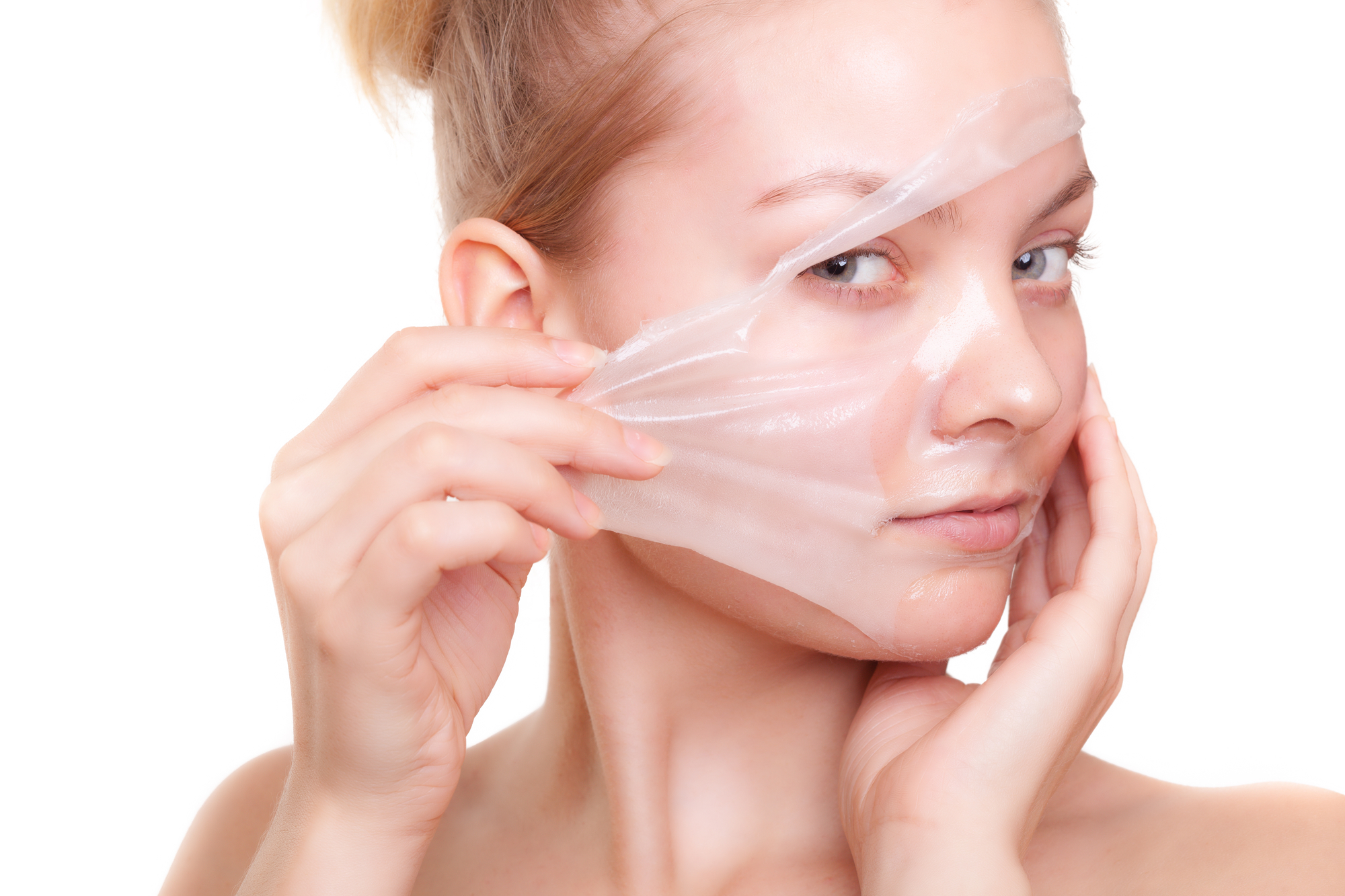
Healthy, glowing skin is a goal shared by many people, and modern skincare treatments offer several solutions to address concerns such as acne scars, pigmentation, fine lines, and uneven texture. Among the most trusted and widely used treatments are chemical peels. As interest in Chemical Peels in Islamabad continues to grow, many individuals want to understand the different types available and how each one works. Knowing the differences can help people make informed decisions about their skincare journey and choose the option that aligns with their specific skin concerns.
What Are Chemical Peels?
Chemical peels are skin-resurfacing treatments that use specially formulated solutions to exfoliate the outer layers of the skin. This controlled exfoliation encourages the growth of new, healthier skin cells, resulting in a smoother, brighter, and more even complexion.
Chemical peels vary in strength and depth, allowing them to target a wide range of skin concerns. Some peels focus on refreshing the skin’s surface, while others work deeper to improve more significant imperfections.
How Chemical Peels Work
The treatment involves applying a chemical solution to the skin. This solution breaks down damaged skin cells and stimulates the natural renewal process. Over time, the treated skin peels away, revealing fresher and healthier skin underneath.
The depth of penetration determines the intensity of the peel and the type of results that can be achieved. This is why chemical peels are generally categorized into superficial, medium, and deep peels.
Superficial Chemical Peels
Superficial peels, often referred to as light peels, target only the outermost layer of the skin. These peels are commonly formulated with mild acids such as alpha hydroxy acids (AHAs) or beta hydroxy acids (BHAs).
Benefits of Superficial Peels
- Improve dull and tired-looking skin
- Enhance skin brightness
- Reduce minor pigmentation issues
- Help control mild acne
- Refine skin texture
Because they work on the surface, superficial peels typically involve minimal downtime. They are often chosen by individuals seeking a quick skin refresh with gradual improvements over multiple sessions.
Medium Chemical Peels
Medium-depth peels penetrate beyond the outer layer and reach the middle layers of the skin. These peels are commonly used to address more noticeable skin concerns and provide stronger rejuvenation effects.
Benefits of Medium Peels
- Reduce acne scars
- Improve moderate pigmentation
- Minimize fine lines
- Smooth rough skin texture
- Promote a more even skin tone
The recovery period for medium peels is usually longer than that of superficial peels, as the skin undergoes a more intensive renewal process. However, the results are often more dramatic and longer-lasting.
Deep Chemical Peels
Deep chemical peels reach the lower layers of the skin and are designed for significant skin rejuvenation. These peels are typically reserved for individuals with advanced signs of aging, deeper wrinkles, or extensive sun damage.
Benefits of Deep Peels
- Improve deep wrinkles
- Address severe sun damage
- Enhance skin firmness
- Reduce pronounced pigmentation
- Deliver substantial skin renewal
Deep peels produce the most dramatic transformation but require the longest recovery period. Because of their intensity, they are generally performed less frequently than lighter peels.
Alpha Hydroxy Acid (AHA) Peels
AHA peels are among the most popular chemical peels for beginners. Derived from natural sources such as fruits and milk, these peels gently exfoliate the skin's surface.
Ideal for
- Dry skin
- Mild discoloration
- Uneven texture
- Early signs of aging
Regular AHA peel treatments can help maintain a youthful appearance while improving overall skin radiance.
Beta Hydroxy Acid (BHA) Peels
BHA peels contain salicylic acid, which penetrates oil-filled pores and helps remove excess sebum and debris.
Ideal for
- Oily skin
- Acne-prone skin
- Enlarged pores
- Blackheads and whiteheads
These peels are particularly effective for individuals struggling with frequent breakouts and congestion.
Glycolic Acid Peels
Glycolic acid is one of the most widely used peeling agents due to its small molecular size, which allows it to penetrate the skin effectively.
Key Advantages
- Brightens complexion
- Improves skin texture
- Softens fine lines
- Supports collagen production
Glycolic acid peels are suitable for many skin types and are often included in customized skincare plans.
Lactic Acid Peels
Lactic acid peels provide gentle exfoliation while helping the skin retain moisture.
Best For
- Sensitive skin
- Dry skin
- Mild discoloration
- Uneven skin tone
Because they are less aggressive than some other peel options, they are frequently recommended for individuals new to chemical exfoliation.
Salicylic Acid Peels
Salicylic acid peels remain a preferred choice for managing acne-related concerns.
Benefits
- Clears clogged pores
- Reduces inflammation
- Minimizes acne breakouts
- Controls excess oil production
These peels help create a cleaner and healthier skin environment, making them highly effective for acne-prone individuals.
Choosing the Right Chemical Peel
The ideal peel depends on factors such as skin type, skin sensitivity, treatment goals, and the severity of existing concerns. Some people benefit from gentle maintenance peels, while others may require stronger treatments to address more advanced issues.
A personalized assessment helps determine the most appropriate peel type and treatment schedule. Understanding the differences between peel categories ensures realistic expectations and better outcomes.
Why Chemical Peels Remain Popular
Chemical peels continue to be one of the most trusted skin rejuvenation treatments because they offer versatility and proven results. Whether the goal is improving texture, reducing acne scars, minimizing pigmentation, or achieving a brighter complexion, there is a peel designed to address specific concerns.
With advancements in skincare technology and treatment customization, Chemical Peels in Islamabad are becoming an increasingly sought-after option for individuals looking to enhance their skin's appearance safely and effectively. By understanding the various types of chemical peels and their unique benefits, people can confidently explore treatments that support healthier, smoother, and more radiant skin.
FAQs
What is the main purpose of a chemical peel?
A chemical peel removes damaged skin cells and promotes the growth of new skin, improving texture, tone, and overall skin appearance.
Which type of chemical peel is best for acne?
Salicylic acid and BHA peels are commonly recommended for acne-prone skin because they penetrate pores and reduce excess oil.
Are chemical peels suitable for sensitive skin?
Yes, gentle options such as lactic acid peels are often suitable for sensitive skin when selected appropriately.
How long does it take to see results from a chemical peel?
Many people notice brighter and smoother skin within days, while deeper improvements may become visible over several weeks.
Can chemical peels help with pigmentation?
Yes, chemical peels can reduce the appearance of sunspots, post-inflammatory pigmentation, and uneven skin tone.
Do chemical peels make the skin peel visibly?
The amount of peeling varies depending on the type and strength of the peel. Some cause mild flaking, while deeper peels may result in more noticeable peeling.

 English
 Arabic
 French
 Spanish
 Deutsch
 Turkish
 Dutch
Dutch
 Italiano
 Russian
 Romaian
 Portuguese (Brazil)
 Greek
Greek