
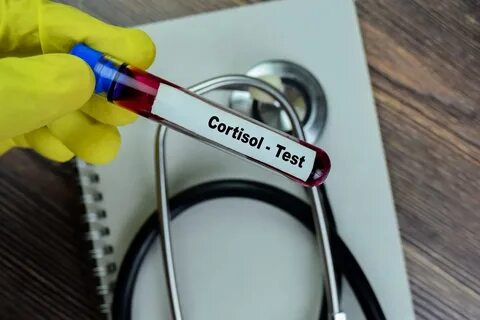
Cortisol is one of the body's most essential hormones, influencing everything from energy production and metabolism to immune function and blood pressure regulation. Produced by the adrenal glands, cortisol helps the body adapt to physical and emotional stress while maintaining internal balance. When cortisol levels become too high or too low, however, the effects can extend throughout the entire body, leading to symptoms that often require medical evaluation.
A Cortisol Blood Test Dubai is one of the most reliable laboratory tools for assessing adrenal gland function and identifying hormone imbalances. By measuring cortisol levels in the bloodstream, healthcare providers can investigate endocrine disorders, determine the cause of persistent symptoms, and develop an appropriate treatment plan.
This guide explains the most common causes of high and low cortisol levels, how they affect your health, and how a cortisol blood test helps distinguish between temporary hormonal fluctuations and underlying medical conditions.
The Role of Cortisol in the Human Body
Before understanding abnormal cortisol levels, it is helpful to know what cortisol does under normal circumstances.
Cortisol is a steroid hormone produced by the adrenal cortex under the control of the hypothalamic-pituitary-adrenal (HPA) axis. Its release follows a natural circadian rhythm, with the highest levels occurring shortly after waking and the lowest levels appearing late at night.
Healthy cortisol production supports many important functions, including:
-
Regulating blood sugar levels
-
Maintaining blood pressure
-
Supporting fat, protein, and carbohydrate metabolism
-
Controlling inflammation
-
Strengthening the body's response to illness and injury
-
Supporting immune system regulation
-
Maintaining electrolyte balance
-
Helping the body respond to physical and emotional stress
When cortisol production falls outside the normal range, these processes may become disrupted.
How a Cortisol Blood Test Detects Hormonal Imbalances
A cortisol blood test measures the concentration of cortisol in your bloodstream at the time the sample is collected. Because cortisol naturally changes throughout the day, healthcare providers usually schedule testing during the early morning hours when hormone levels are highest.
The results help determine whether:
-
The adrenal glands are functioning properly
-
Cortisol production is excessive
-
Cortisol production is insufficient
-
Additional hormone testing is necessary
-
The pituitary gland may be affecting adrenal function
The test is often performed alongside ACTH testing and other endocrine evaluations to provide a complete picture of hormone regulation.
What Causes High Cortisol Levels?
High cortisol, also called hypercortisolism, occurs when the body produces more cortisol than it needs over an extended period.
The causes range from temporary lifestyle factors to complex endocrine disorders.
Cushing Syndrome
One of the best-known causes of elevated cortisol is Cushing syndrome. This condition develops when cortisol remains excessively high for prolonged periods.
Possible causes include:
-
Pituitary tumors producing excess ACTH
-
Adrenal adenomas
-
Adrenal carcinoma
-
Long-term corticosteroid medication use
Typical symptoms include abdominal weight gain, a rounded face, muscle weakness, thinning skin, purple stretch marks, osteoporosis, high blood pressure, and elevated blood glucose.
Chronic Emotional Stress
Although everyday stress usually causes only temporary cortisol increases, long-lasting psychological stress may contribute to prolonged elevations.
Examples include:
-
Ongoing workplace stress
-
Financial difficulties
-
Caregiver burden
-
Chronic anxiety
-
Major life events
Healthcare providers evaluate whether stress alone explains elevated cortisol or whether additional endocrine testing is required.
Severe Illness or Physical Trauma
Acute medical conditions activate the body's stress response.
Temporary cortisol elevation may occur during:
-
Major infections
-
Surgery
-
Serious injuries
-
Burns
-
Hospitalization
In these situations, increased cortisol is often a normal protective response rather than a disease.
Adrenal Tumors
Some adrenal tumors produce cortisol independently, resulting in persistently elevated hormone levels.
These tumors may be benign or malignant, making further imaging studies important when excessive cortisol production is confirmed.
Long-Term Corticosteroid Therapy
Medications containing corticosteroids, such as prednisone or dexamethasone, can increase cortisol activity within the body or suppress the normal hormonal feedback system.
Healthcare providers always review medication history before interpreting cortisol blood test results.
Common Symptoms of High Cortisol
Persistent cortisol excess can affect multiple body systems.
Symptoms often include:
-
Weight gain around the abdomen
-
Rounded facial appearance
-
Muscle weakness
-
Thin skin
-
Easy bruising
-
Purple stretch marks
-
Elevated blood pressure
-
High blood sugar
-
Frequent infections
-
Mood changes
-
Difficulty sleeping
-
Bone loss
Because many of these symptoms develop gradually, laboratory testing plays an important role in early diagnosis.
What Causes Low Cortisol Levels?
Low cortisol, also known as hypocortisolism, develops when the adrenal glands fail to produce enough hormone or when the pituitary gland does not provide adequate stimulation.
Several medical conditions may contribute.
Addison's Disease
Addison's disease is a form of primary adrenal insufficiency in which the immune system damages the adrenal glands.
As adrenal tissue is destroyed, cortisol production gradually declines.
Common symptoms include:
-
Persistent fatigue
-
Weight loss
-
Muscle weakness
-
Low blood pressure
-
Nausea
-
Salt cravings
-
Increased skin pigmentation
Without treatment, Addison's disease can lead to adrenal crisis, a medical emergency requiring immediate care.
Secondary Adrenal Insufficiency
In some cases, the adrenal glands remain healthy but receive inadequate stimulation because the pituitary gland produces insufficient adrenocorticotropic hormone (ACTH).
Possible causes include:
-
Pituitary tumors
-
Pituitary surgery
-
Radiation therapy
-
Pituitary injury
A cortisol blood test combined with ACTH measurement helps distinguish between primary and secondary adrenal insufficiency.
Sudden Steroid Withdrawal
Long-term corticosteroid therapy suppresses natural cortisol production. Abruptly stopping these medications may temporarily reduce adrenal function until hormone production recovers.
For this reason, corticosteroid medications should only be discontinued under medical supervision.
Adrenal Gland Damage
Infections, bleeding, inherited disorders, or rare diseases affecting the adrenal glands can reduce cortisol production and lead to chronic adrenal insufficiency.
Common Symptoms of Low Cortisol
Low cortisol often develops gradually, making early symptoms easy to overlook.
Typical warning signs include:
-
Chronic fatigue
-
Muscle weakness
-
Weight loss
-
Poor appetite
-
Dizziness
-
Low blood pressure
-
Nausea
-
Vomiting
-
Salt cravings
-
Abdominal discomfort
-
Difficulty recovering from illness
Recognizing these symptoms early allows healthcare providers to begin treatment before complications occur.
Why Additional Tests Are Sometimes Needed
A cortisol blood test provides valuable information, but it is rarely the only investigation required.
Depending on the results, your healthcare provider may recommend:
-
ACTH blood test
-
ACTH stimulation test
-
Twenty-four-hour urine cortisol
-
Late-night salivary cortisol
-
Blood glucose testing
-
Electrolyte panel
-
MRI of the pituitary gland
-
CT scan of the adrenal glands
Each test contributes unique information about adrenal function and hormone regulation.
Factors That Can Influence Cortisol Results
Not every abnormal cortisol result reflects an endocrine disorder. Several temporary factors may affect hormone levels.
Examples include:
-
Emotional stress
-
Acute illness
-
Pregnancy
-
Sleep deprivation
-
Intense physical exercise
-
Shift work
-
Recent surgery
-
Certain medications
Healthcare providers interpret laboratory findings together with your symptoms, medical history, and physical examination to avoid misdiagnosis.
How Healthcare Providers Identify the Underlying Cause
After reviewing cortisol blood test results, healthcare providers evaluate several pieces of information before reaching a diagnosis.
This includes:
Clinical Symptoms
Your pattern of symptoms often provides the first clue regarding cortisol excess or deficiency.
Medical History
Previous illnesses, surgeries, medication use, autoimmune conditions, and family history all contribute to diagnosis.
Hormone Testing
Additional endocrine tests help determine whether the adrenal glands or pituitary gland are responsible for the hormone imbalance.
Imaging Studies
CT scans and MRI examinations help identify adrenal tumors, pituitary adenomas, or structural abnormalities affecting hormone production.
Using this comprehensive approach improves diagnostic accuracy and guides appropriate treatment.
Frequently Asked Questions
Can stress alone cause high cortisol?
Temporary emotional or physical stress can increase cortisol levels, but persistently elevated results require medical evaluation to exclude endocrine disorders such as Cushing syndrome or adrenal tumors.
Does low cortisol always mean Addison's disease?
No. Low cortisol may result from Addison's disease, secondary adrenal insufficiency, pituitary disorders, or recent withdrawal from corticosteroid medications. Additional testing is needed to determine the exact cause.
Is one cortisol blood test enough for diagnosis?
Usually not. Healthcare providers often combine cortisol measurements with ACTH testing, stimulation tests, urine cortisol analysis, saliva testing, and imaging studies to confirm the diagnosis.
How quickly are results available?
Most laboratories provide cortisol blood test results within one to three business days, although turnaround times vary depending on the testing facility.
Conclusion
A cortisol blood Lab tests is an essential diagnostic tool for identifying the causes of high and low cortisol levels and evaluating the health of the adrenal glands and endocrine system. Elevated cortisol may result from conditions such as Cushing syndrome, adrenal tumors, chronic stress, or long-term corticosteroid use, while low cortisol can be associated with Addison's disease, adrenal insufficiency, pituitary disorders, or steroid withdrawal.
Because cortisol influences metabolism, immune function, blood pressure, blood sugar, and the body's response to stress, recognizing abnormal hormone levels early is critical for preventing complications. When interpreted alongside symptoms, medical history, ACTH testing, and imaging studies, the cortisol blood test provides healthcare providers with the information needed to diagnose endocrine disorders accurately and develop effective treatment strategies for long-term hormonal health.

 English
 Arabic
 French
 Portuguese
 Deutsch
 Turkish
 Dutch
Dutch
 Italiano
 Russian
 Romaian
 Portuguese (Brazil)
 Greek
Greek