
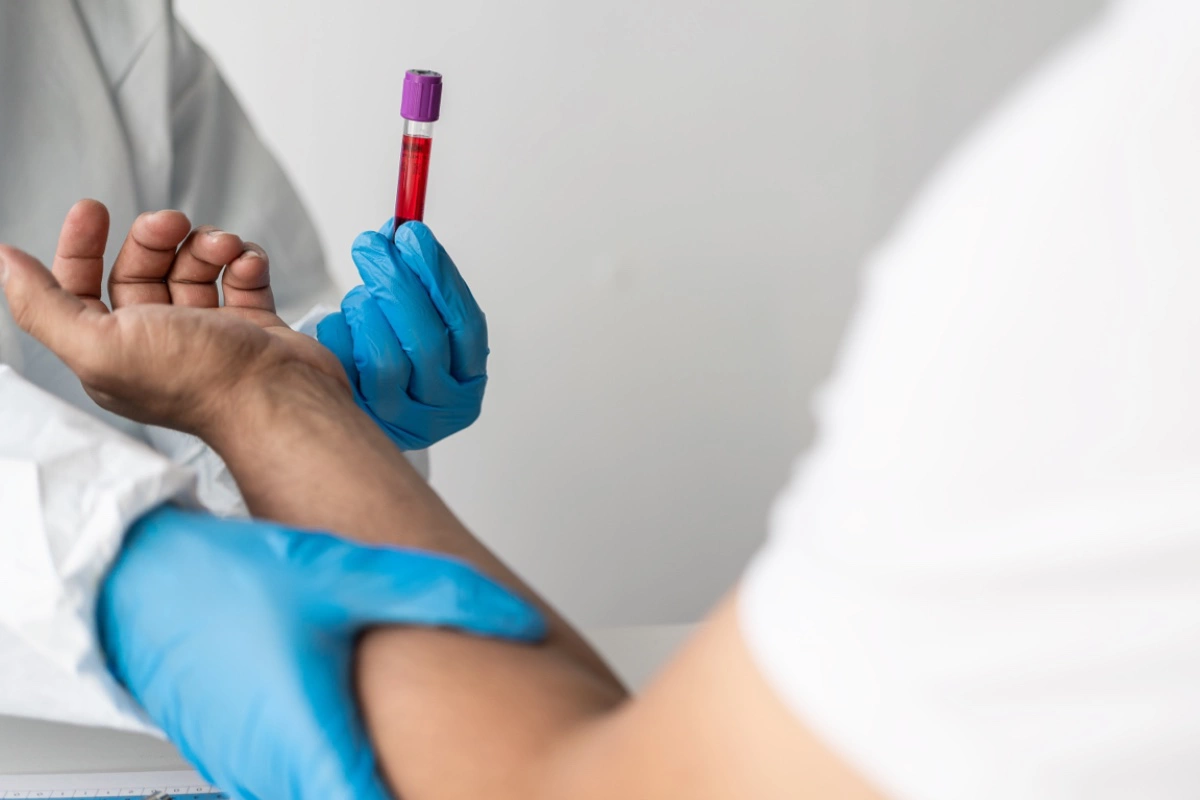
Marriage is not only a personal commitment but also a long-term partnership where health awareness plays an important role. Before tying the knot, many couples explore premarital health screening, commonly known as a Marriage Blood Test in Dubai. This set of laboratory evaluations helps identify inherited disorders, blood compatibility issues, and infectious diseases that may affect future family planning.
Despite its growing importance, many people still have questions about what these tests include, why they are recommended, and how results should be interpreted. Misunderstandings often lead to hesitation or unnecessary worry.
This article addresses the most frequently asked questions about marriage blood tests in a clear and structured way, helping couples understand the process and its real value in preventive healthcare.
What Exactly Is a Marriage Blood Test?
A marriage blood test is a combination of laboratory screenings performed before marriage to evaluate the overall health of both partners. It focuses on detecting conditions that may not show visible symptoms but could impact long-term wellness or reproductive health.
These tests are commonly part of premarital screening packages offered by hospitals and diagnostic laboratories. They are not designed to judge relationship suitability but to provide medical insight for informed decision-making.
Typical evaluations include blood group testing, Rh factor analysis, genetic disorder screening, infectious disease detection, and general blood health assessment.
Why Do Doctors Recommend Premarital Blood Screening?
Healthcare professionals recommend premarital blood testing as a form of preventive healthcare. Many serious conditions remain hidden for years without noticeable symptoms. Early detection allows timely treatment, monitoring, or counseling.
Another major reason is family planning. Some inherited genetic conditions can be passed from parents to children if both partners carry the same gene mutation. Identifying these risks before pregnancy helps couples understand available medical options.
Doctors also use these tests to detect infectious diseases such as hepatitis or HIV, which require early management to protect both partners' health.
What Tests Are Usually Included in Marriage Blood Screening?
Although test panels vary depending on location and medical history, most premarital screening packages include several standard laboratory tests.
Complete Blood Count (CBC)
This test evaluates red blood cells, white blood cells, hemoglobin levels, and platelets. It helps detect anemia, infections, and general blood disorders that may require treatment.
Blood Group and Rh Factor
Blood typing determines compatibility for future pregnancies and emergency medical situations. Rh incompatibility can be managed effectively when identified early in prenatal care.
Thalassemia Screening
Thalassemia is a hereditary blood disorder affecting hemoglobin production. Carrier testing helps identify whether both partners carry the trait, which may increase the risk of passing the condition to children.
Sickle Cell Disease Testing
This genetic test is particularly important in regions where sickle cell disease is more common. It identifies carrier status and helps couples understand inheritance risks.
HIV Screening
HIV testing allows early diagnosis and treatment, improving long-term health outcomes and reducing transmission risk between partners.
Hepatitis B and Hepatitis C Tests
These viral infections often remain silent for years. Screening ensures early detection and appropriate medical management to protect liver health.
Sexually Transmitted Infection (STI) Screening
STI testing helps identify infections that may affect reproductive health and overall well-being if left untreated.
Is a Marriage Blood Test Mandatory Everywhere?
No, marriage blood testing is not mandatory in all countries. Some regions require premarital health screening as part of legal marriage registration, while others recommend it as an optional but important healthcare step.
Even where it is not legally required, many healthcare providers strongly encourage couples to undergo testing as part of responsible family planning.
How Should Couples Prepare for the Test?
Preparation depends on the type of tests being performed. Some laboratory tests require fasting, especially those related to blood sugar or cholesterol levels, while others do not.
Before the appointment, couples should:
-
Carry valid identification if required by the clinic
-
Bring previous medical reports if available
-
Inform the doctor about ongoing medications
-
Share any family history of genetic disorders
-
Avoid alcohol or heavy meals if instructed
-
Stay hydrated unless fasting guidelines say otherwise
Proper preparation helps ensure accurate and reliable test results.
Does the Test Hurt?
A marriage blood test involves a simple blood sample collection from a vein, usually in the arm. The process is quick and performed by trained healthcare professionals.
Most individuals experience only mild discomfort, similar to a brief pinching sensation. The procedure typically takes only a few minutes and does not require recovery time.
How Long Do Results Take?
The time required for results depends on the type of tests performed and the laboratory processing system.
Basic blood tests such as CBC and blood group analysis may be ready within one to two days. More complex genetic screening or infectious disease testing can take several additional days.
Your healthcare provider will usually inform you when and how to collect your reports.
Are the Results Confidential?
Yes. Medical laboratories and healthcare providers are required to maintain strict confidentiality regarding patient records.
Test results are shared only with the patient and authorized healthcare professionals. Privacy laws and ethical guidelines ensure that personal medical information is protected at all times.
What Happens If a Problem Is Found?
An abnormal result does not automatically mean a serious health condition or prevent marriage.
In many cases, further testing is recommended to confirm the findings. Some conditions may require treatment, while others may simply need monitoring.
If both partners are carriers of a genetic disorder, doctors may recommend genetic counseling. This helps couples understand inheritance patterns, risks to future children, and available reproductive options.
For infectious diseases, early detection allows timely treatment and reduces health complications.
Can Marriage Blood Tests Detect Fertility Issues?
No. Standard premarital blood tests do not evaluate fertility. Fertility assessment requires separate hormonal tests and reproductive health evaluations.
Marriage blood screening focuses on blood-related health conditions, infectious diseases, and genetic risks rather than fertility diagnosis.
Why Is Genetic Screening Important Before Marriage?
Genetic screening is one of the most important components of premarital testing because it identifies inherited conditions that may not appear in routine health checkups.
When both partners carry the same genetic mutation, there may be a higher risk of passing certain disorders to their children. Early detection allows couples to explore preventive healthcare strategies, seek genetic counseling, and plan responsibly.
This does not restrict marriage decisions but provides valuable health awareness.
Can Healthy Individuals Skip the Test?
Even individuals who feel completely healthy can benefit from premarital blood testing. Many conditions such as hepatitis, HIV, or carrier states of genetic diseases show no early symptoms.
Preventive screening ensures that hidden health risks are identified before they affect future family planning or long-term health.
Frequently Asked Questions Summary
Is fasting required before the test?
Only for specific tests like blood sugar or cholesterol. Your doctor will guide you.
Can I get results on the same day?
Some basic tests may be available quickly, but most require one to several days.
Do both partners need to test?
Yes, testing both individuals provides complete health and genetic compatibility information.
Can results change over time?
Yes, health conditions can develop later, so periodic checkups are still important.
Is genetic counseling always required?
No, only when inherited risk factors are identified.
Final Thoughts
Marriage blood Lab tests is a valuable step in preparing for a healthy and informed future together. While many questions and myths surround the process, understanding the facts helps couples approach it with confidence instead of concern.
These tests are not about restricting choices but about empowering individuals with medical knowledge. From detecting hidden infections to identifying genetic risks, premarital screening plays an important role in preventive healthcare and responsible family planning.
By addressing common questions and understanding what to expect, couples can view marriage blood tests as a practical tool for building a healthier life together. Consulting a qualified healthcare professional ensures accurate guidance tailored to individual medical history and future family goals.

 English
 Arabic
 French
 Spanish
 Portuguese
 Deutsch
 Turkish
 Dutch
Dutch
 Italiano
 Russian
 Romaian
 Greek
Greek