
As couples prepare for marriage, they often focus on wedding planning, financial goals, and future aspirations. However, questions about health have become increasingly common, especially regarding marriage blood tests. With greater awareness of preventive healthcare and family planning, many first-time couples want to understand whether premarital blood testing is necessary, what it includes, and how it contributes to long-term well-being.
A Marriage Blood Test in Dubai is not simply another item on a wedding checklist. It is a valuable medical screening that helps identify inherited blood disorders, blood group compatibility, infectious diseases, and other health conditions that may affect married life or future pregnancies. This guide answers the most frequently asked questions to help couples make informed healthcare decisions.
What Is a Marriage Blood Test?
A marriage blood test is a collection of laboratory examinations performed before marriage to evaluate important aspects of both partners' health. Depending on medical recommendations, these tests may include blood group testing, Rh factor evaluation, complete blood count, genetic carrier screening, and screening for infectious diseases.
The objective is not to determine whether a couple should marry. Instead, the purpose is to provide useful medical information that supports preventive healthcare, early diagnosis, and responsible family planning.
Why Do Doctors Recommend Premarital Blood Testing?
Healthcare professionals recommend premarital screening because many medical conditions remain undetected until symptoms develop. Some inherited disorders are carried silently for generations, while certain infections may remain unnoticed for years.
Early detection allows couples to receive appropriate treatment, vaccination, medical advice, or genetic counseling before beginning married life. Preventive healthcare consistently produces better outcomes than waiting until health problems become more serious.
Which Tests Are Commonly Included?
The exact laboratory tests depend on personal medical history, healthcare guidelines, and physician recommendations. However, several screenings are commonly performed.
Blood Group and Rh Factor Testing
This test identifies each partner's blood type and Rh factor. Blood group compatibility becomes particularly important when planning future pregnancies because Rh incompatibility may require additional prenatal care.
Complete Blood Count
A Complete Blood Count evaluates red blood cells, white blood cells, platelets, and hemoglobin levels. It helps identify anemia, infections, inflammation, and other blood-related conditions.
Genetic Carrier Screening
Carrier screening detects inherited genetic mutations associated with disorders such as thalassemia and sickle cell disease. Healthy individuals may carry these genes without experiencing symptoms.
Infectious Disease Screening
Premarital blood testing often includes screening for HIV, Hepatitis B, Hepatitis C, and syphilis. Early diagnosis improves treatment options and helps reduce disease transmission.
Additional Medical Tests
Depending on age, family history, and existing health conditions, healthcare providers may recommend diabetes screening, thyroid function tests, kidney function tests, cholesterol testing, or other laboratory evaluations.
Is a Marriage Blood Test Mandatory?
The answer depends on where you live.
Some countries require certain premarital medical examinations before issuing a marriage license, while many others leave testing entirely optional. Even when it is not legally required, physicians often encourage couples to undergo screening because of its significant preventive health benefits.
Choosing testing voluntarily demonstrates a proactive approach to personal and family health.
Can a Healthy Person Still Have Abnormal Results?
Yes.
Many inherited disorders and infectious diseases develop without noticeable symptoms. A person may feel completely healthy while carrying genetic mutations or viral infections that only become apparent through laboratory testing.
This is one of the main reasons routine premarital screening is recommended even for individuals with no obvious medical concerns.
Does an Abnormal Result Mean We Should Not Get Married?
No.
Medical test results provide information rather than decisions. Discovering a health condition does not automatically affect a couple's ability to marry.
Instead, the results allow healthcare providers to recommend treatment, ongoing monitoring, vaccination, or genetic counseling when appropriate. Many medical conditions identified through premarital screening can be successfully managed with modern healthcare.
Why Is Genetic Screening Important?
Genetic screening helps identify carrier status for inherited disorders that may affect future children.
Being a carrier does not mean a person is sick. Most carriers experience no symptoms throughout their lives. However, if both partners carry the same inherited condition, there is an increased chance that their children could inherit the disease.
Premarital genetic testing provides valuable information for reproductive planning and allows couples to discuss available options with qualified genetic counselors.
How Does Blood Group Compatibility Affect Pregnancy?
Many couples mistakenly believe different blood types prevent successful pregnancies.
In reality, the primary concern involves the Rh factor rather than the blood group itself. If an Rh-negative mother carries an Rh-positive baby, doctors can provide preventive treatment that greatly reduces pregnancy-related complications.
Knowing each partner's blood type before pregnancy helps healthcare providers plan appropriate prenatal care.
Are Marriage Blood Tests Painful?
No.
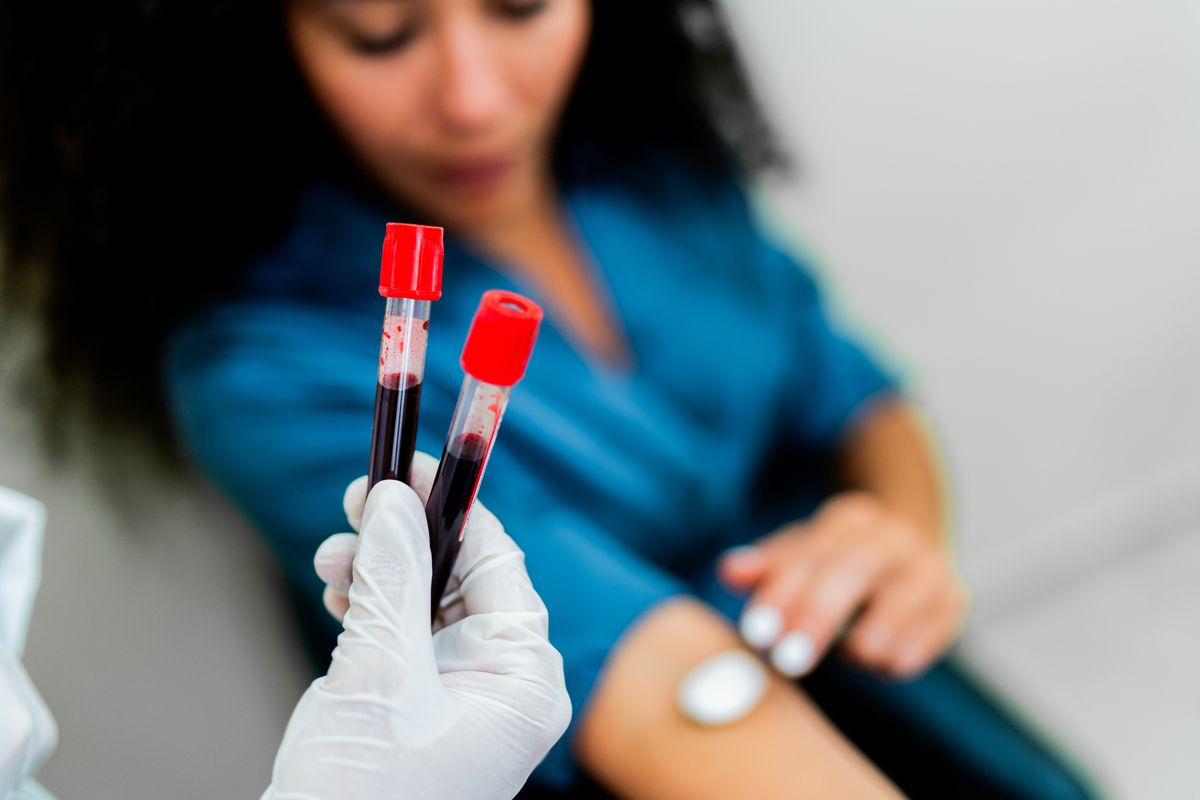
Most premarital screening involves a routine blood sample collected from a vein in the arm. The procedure usually takes only a few minutes and causes minimal discomfort.
After the sample is collected, laboratory professionals perform the required analyses using modern diagnostic equipment.
How Long Does It Take to Receive Results?
The turnaround time varies depending on the laboratory and the specific tests requested.
Routine blood tests are often completed within one to three days, while specialized genetic screening may require additional time because of more detailed laboratory analysis.
Healthcare providers review the results with both partners and recommend any necessary follow-up care.
How Should Couples Prepare Before Testing?
Preparation is generally simple but important.
Before visiting the laboratory or clinic, couples should:
-
Share their complete family medical history.
-
Inform the physician about prescription medications and supplements.
-
Follow fasting instructions if required.
-
Bring previous laboratory reports when available.
-
Ask questions about any recommended genetic screening.
Providing accurate medical information helps physicians recommend the most appropriate diagnostic tests.
What Happens If Further Evaluation Is Needed?
If laboratory results identify a medical concern, healthcare professionals may recommend additional diagnostic testing or specialist consultations.
Examples include:
-
Genetic counseling for inherited disorders.
-
Treatment for infectious diseases.
-
Vaccination against preventable infections.
-
Referral to a hematologist for blood disorders.
-
Pregnancy planning with an obstetric specialist if blood compatibility requires monitoring.
Most follow-up care focuses on prevention, treatment, and long-term health management rather than restrictions.
What Are the Long-Term Benefits of Premarital Blood Testing?
The value of a marriage blood test extends far beyond the wedding day.
Benefits include:
-
Early detection of hidden medical conditions.
-
Improved preventive healthcare.
-
Better reproductive planning.
-
Reduced risk of inherited disorders.
-
Safer pregnancy management.
-
Greater awareness of personal health.
-
Stronger communication between partners.
-
Increased confidence when planning a family.
These advantages support healthier relationships and encourage responsible healthcare throughout married life.
Should Every Couple Consider a Marriage Blood Test?
Although individual medical needs differ, most healthcare professionals agree that premarital screening offers valuable health information for nearly every couple.
Testing is especially beneficial when there is a family history of inherited diseases, plans for future pregnancy, existing medical conditions, or a desire to understand overall health before marriage.
Discussing available screening options with a qualified healthcare provider ensures that recommendations are tailored to each couple's unique circumstances.
Final Thoughts
A marriage blood Lab tests is one of the most practical steps couples can take before beginning their life together. By answering important questions about blood group compatibility, inherited blood disorders, infectious diseases, and general health, premarital screening supports informed decision-making and preventive healthcare.
Rather than creating uncertainty, these medical evaluations provide clarity, reassurance, and opportunities for early intervention when necessary. Couples who understand their health status are better prepared for family planning, pregnancy, and lifelong wellness.
Approaching marriage with openness, communication, and a commitment to preventive healthcare creates a strong foundation for a healthy and confident future together.

 English
 Arabic
 French
 Portuguese
 Deutsch
 Turkish
 Dutch
Dutch
 Italiano
 Russian
 Romaian
 Portuguese (Brazil)
 Greek
Greek