
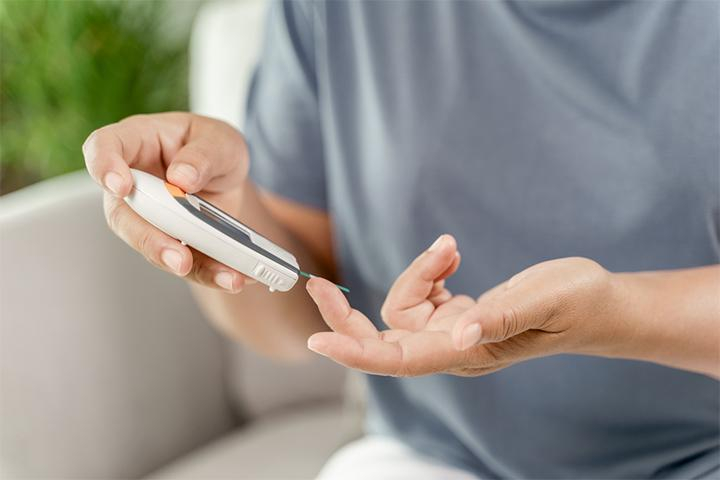
A blood sugar test is one of the most commonly performed medical tests for assessing how well your body regulates glucose. Whether you are being screened for prediabetes, diagnosed with diabetes, or monitoring your blood glucose levels, understanding the test can help you feel more informed and prepared.
Many people have questions about the purpose of a Blood Sugar Test Dubai, the different types of tests available, preparation requirements, and what the results mean. This comprehensive guide answers some of the most common questions about blood sugar testing.
What Is a Blood Sugar Test?
A blood sugar test, also called a blood glucose test, measures the amount of glucose in your blood. Glucose is the body’s primary source of energy, and its levels are regulated by insulin, a hormone produced by the pancreas.
Healthcare providers use blood sugar tests to:
-
Screen for prediabetes and diabetes.
-
Diagnose type 1 diabetes or type 2 diabetes.
-
Monitor blood sugar control in people with diabetes.
-
Evaluate the effectiveness of diet, exercise, medication, or insulin therapy.
-
Detect episodes of hyperglycemia (high blood sugar) or hypoglycemia (low blood sugar).
Why Might I Need a Blood Sugar Test?
A blood sugar test may be recommended for several reasons.
Routine Screening
Adults over age 45 and individuals with risk factors for diabetes may be advised to undergo routine blood glucose screening.
Symptoms of High Blood Sugar
Your healthcare provider may order a blood sugar test if you experience symptoms such as:
-
Frequent urination
-
Excessive thirst
-
Unexplained weight loss
-
Persistent fatigue
-
Blurred vision
-
Slow-healing wounds
Risk Factors for Diabetes
You may need testing if you have:
-
A family history of diabetes.
-
Overweight or obesity.
-
Physical inactivity.
-
High blood pressure.
-
Abnormal cholesterol levels.
-
A history of gestational diabetes.
Monitoring Existing Diabetes
People already diagnosed with diabetes may require regular blood glucose monitoring to assess treatment effectiveness and maintain healthy blood sugar levels.
What Are the Different Types of Blood Sugar Tests?
Fasting Blood Sugar Test
Measures blood glucose after an overnight fast of 8–12 hours. It is commonly used to diagnose prediabetes and diabetes.
Random Blood Sugar Test
Measures glucose levels at any time of day, regardless of when you last ate. It is often used when symptoms of diabetes are present.
HbA1c Test
Measures average blood sugar levels over the past 2–3 months. It provides a broader view of long-term blood glucose control.
Oral Glucose Tolerance Test (OGTT)
Measures how well your body processes glucose after consuming a glucose drink. It is commonly used to diagnose gestational diabetes and assess glucose metabolism.
Postprandial Blood Sugar Test
Measures blood glucose approximately 2 hours after a meal to evaluate how the body responds to food.
Do I Need to Fast Before a Blood Sugar Test?
Whether fasting is required depends on the type of test.
| Test | Fasting Required? |
|---|---|
| Fasting blood sugar test | Yes, usually 8–12 hours |
| Random blood sugar test | No |
| HbA1c test | No |
| OGTT | Yes |
For a fasting blood sugar test, you should not eat or drink anything except water during the fasting period unless your healthcare provider gives different instructions.
How Is a Blood Sugar Test Performed?
Venous Blood Draw
Most laboratory blood sugar tests are performed by drawing blood from a vein in your arm.
-
The skin is cleaned with an antiseptic wipe.
-
A tourniquet is placed around your upper arm.
-
A small needle is inserted into the vein.
-
Blood is collected into a vial or test tube.
-
The needle is removed, and pressure is applied to the site.
Fingerstick Test
For some point-of-care blood glucose tests or home monitoring, a fingerstick method is used.
-
Your fingertip is cleaned.
-
A lancet is used to prick the side of the fingertip.
-
A drop of blood is placed on a test strip.
-
The strip is inserted into a glucometer, which displays the blood sugar reading.
What Do Normal Blood Sugar Levels Mean?
Normal blood sugar ranges can vary slightly depending on the laboratory and the type of test performed.
Fasting Blood Sugar Levels
| Result | Fasting Blood Sugar Level |
|---|---|
| Normal | 70–99 mg/dL |
| Prediabetes | 100–125 mg/dL |
| Diabetes | 126 mg/dL or higher |
HbA1c Levels
| Result | HbA1c Percentage |
|---|---|
| Normal | Below 5.7% |
| Prediabetes | 5.7%–6.4% |
| Diabetes | 6.5% or higher |
What Happens if My Results Are High?
High blood sugar results may indicate prediabetes, diabetes, or temporary hyperglycemia caused by stress, illness, or certain medications.
If your results are elevated, your healthcare provider may:
-
Recommend repeating the test to confirm the result.
-
Order additional tests, such as an HbA1c test or OGTT.
-
Discuss lifestyle changes, including diet and exercise.
-
Prescribe medication or insulin if diabetes is diagnosed.
What Happens if My Results Are Low?
Low blood sugar, or hypoglycemia, generally refers to blood glucose levels below 70 mg/dL.
Symptoms of Low Blood Sugar
-
Shaking or trembling
-
Sweating
-
Dizziness or lightheadedness
-
Hunger
-
Confusion or difficulty concentrating
-
Rapid heartbeat
Low blood sugar may be caused by skipping meals, excessive exercise, certain medications, or underlying medical conditions. If you experience symptoms of hypoglycemia, seek medical advice promptly.
How Accurate Are Blood Sugar Tests?
Laboratory blood glucose tests are generally very accurate when performed under proper conditions. Home blood glucose meters are also reliable for daily monitoring, but their readings may vary slightly from laboratory results.
Factors that can affect accuracy include:
-
Not following fasting instructions.
-
Contaminated or expired test strips.
-
Improper use of a glucometer.
-
Recent meals, exercise, stress, or illness.
-
Certain medications.
How Often Should I Get Tested?
The frequency of blood sugar testing depends on your age, risk factors, symptoms, and whether you have diabetes.
| Group | Typical Testing Frequency |
|---|---|
| Healthy adults age 45+ | Every 3 years if results are normal |
| People with risk factors | Every 1–3 years, depending on risk level |
| People with prediabetes | At least annually |
| People with stable diabetes | HbA1c at least twice a year |
| People with uncontrolled diabetes | HbA1c every 3 months and self-monitoring as advised |
Can I Check My Blood Sugar at Home?
Yes. Home blood glucose monitoring is commonly used by people with diabetes to track daily glucose levels.
How Home Monitoring Works
-
A glucometer is used to measure blood sugar from a fingerstick blood sample.
-
A test strip is inserted into the meter.
-
A small drop of blood is placed on the strip.
-
The meter displays the blood sugar reading within seconds.
Benefits of Home Monitoring
-
Helps identify patterns related to meals, exercise, and medication.
-
Allows timely adjustments to treatment plans.
-
Helps detect episodes of high or low blood sugar.
What Questions Should I Ask My Healthcare Provider?
-
Which type of blood sugar test was performed?
-
What is considered a normal range for my situation?
-
Do my results indicate prediabetes or diabetes?
-
Should I repeat the test or have additional testing?
-
What lifestyle changes can help improve my blood sugar levels?
-
Do I need medication or ongoing monitoring?
Final Thoughts
A blood sugar Lab tests is a valuable tool for screening, diagnosing, and monitoring conditions related to abnormal blood glucose levels. Understanding the different types of tests, preparation requirements, normal ranges, and possible results can help you feel more confident about your health.
If you have concerns about your blood sugar test results, discuss them with your healthcare provider. They can interpret the results in the context of your medical history, symptoms, and overall health and recommend the most appropriate next steps for maintaining healthy blood sugar levels.

 English
 Arabic
 French
 Spanish
 Portuguese
 Turkish
 Dutch
Dutch
 Italiano
 Russian
 Romaian
 Portuguese (Brazil)
 Greek
Greek