
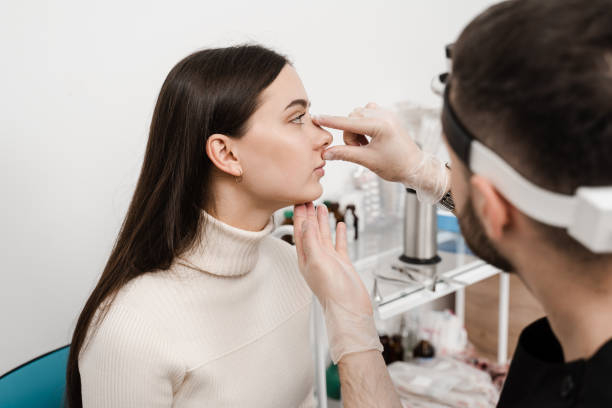
Safety is not a feature of a surgical procedure. It is the foundation upon which everything else is built. The most beautifully executed, technically brilliant surgery is a failure if it comes at the cost of a preventable complication or a compromised patient.
The pursuit of safe septoplasty and turbinate reduction in Dubai care is a systematic, multi-layered endeavor. It involves the surgeon, the anesthesiologist, the facility, and the patient themselves. It is a culture of vigilance that begins with the first consultation and extends through the final follow-up visit.
This article is a transparent exploration of the safety framework that protects the patient undergoing functional nasal surgery. Understanding this framework empowers you to make an informed, confident choice.
The Safety of the Surgical Facility
The first and most critical safety decision is where the surgery is performed. The physical environment of the operating room is a primary determinant of surgical risk, particularly the risk of infection and the ability to manage an emergency.
A safe septoplasty and turbinate reduction must be performed in a properly accredited facility. This is not negotiable.
What accreditation means for your safety:
-
Sterile Environment: The operating theater has a certified laminar airflow system that filters airborne particles and bacteria, maintaining a sterile surgical field.
-
Rigorous Instrument Sterilization: All surgical instruments undergo a documented, validated sterilization process in a centralized sterile processing department.
-
Emergency Equipment and Drills: The operating room is equipped with a full cardiac crash cart, a defibrillator, emergency airway equipment, and resuscitation medications. The staff regularly drills for emergency scenarios.
-
Ongoing Audits: An accredited facility is subject to regular, unannounced inspections to ensure continuous compliance with rigorous safety standards.
You have the right to ask where your surgery will be performed and to verify the facility's accreditation status. A safe, transparent practice welcomes this question.
The Anesthesia Safety Net
Combined septoplasty and turbinate reduction surgery is performed under general anesthesia. The safety of your anesthetic care is paramount.
The gold standard for safe anesthesia is a dedicated, board-certified Medical Doctor (MD) Anesthesiologist. This physician has completed a multi-year residency specifically in the science and art of anesthesia and peri-operative medicine.
The anesthesiologist's role in your safety:
-
Pre-Operative Assessment: They review your medical history, medications, allergies, and any prior anesthetic experiences. They order and review any necessary pre-operative tests, such as an EKG or blood work.
-
Intra-Operative Vigilance: For the entire duration of the surgery, the anesthesiologist is at your head, continuously monitoring your heart rhythm, blood pressure, oxygen saturation, carbon dioxide levels, and the depth of your anesthesia. They are your guardian of physiological stability.
-
Secure Airway Management: They place a breathing tube that protects your airway from any blood or fluid during surgery. This is a critical safety measure specific to nasal procedures.
-
Smooth Emergence and Post-Operative Care: They wake you gently and manage post-operative nausea and pain in the recovery room.
A dedicated MD anesthesiologist, working in an accredited facility, creates the safest possible anesthetic environment.
Surgeon Expertise as a Safety Factor
The technical skill and judgment of the operating surgeon are perhaps the most direct determinants of safety. Complications like septal perforation, cerebrospinal fluid leak, and excessive bleeding are technical complications that are mitigated by expertise.
A safe surgeon is defined by specific, verifiable qualifications.
-
Board Certification in Otolaryngology (ENT) or Facial Plastic Surgery: This certifies that the surgeon has completed an accredited residency and passed rigorous examinations specific to this anatomical area.
-
Specific Experience in Nasal and Sinus Surgery: The surgeon should have a high-volume practice focused on functional nasal surgery. This is not a procedure they do occasionally; it is a core part of their practice.
-
A Commitment to Conservative, Tissue-Sparing Technique: The surgeon's philosophy of preserving tissue and respecting nasal physiology is itself a safety factor, reducing the risk of long-term complications like empty nose syndrome.
When you choose a surgeon with deep, specific expertise, you are choosing a lower risk profile.
The Patient's Role in Their Own Safety
Safety is a partnership. The patient has a vital role to play in ensuring a safe surgical journey. This role begins with complete honesty and continues with diligent compliance.
Your safety responsibilities as a patient include:
-
Full Medical Disclosure: You must disclose your complete medical history, including all medications, supplements (especially blood thinners like aspirin, ibuprofen, fish oil, vitamin E), and any history of bleeding disorders.
-
Smoking Cessation: Smoking severely impairs mucosal healing and increases the risk of post-operative infection and septal hematoma. You must be willing to stop smoking completely for a specified period before and after surgery.
-
Following Pre-Operative Fasting Instructions: You must have an empty stomach for general anesthesia. Failure to comply can result in a life-threatening aspiration event. The instructions are strict for a reason.
-
Compliance with Post-Operative Care: You must follow the saline irrigation protocol, attend your follow-up appointments, and adhere to activity restrictions. Your actions in recovery directly impact your healing and safety.
A safe outcome is the result of a safe surgeon and a safe facility, working in partnership with a compliant, honest patient.
How a Safe Clinic Manages Potential Complications
Even in the safest hands, complications in surgery are a statistical reality. The mark of a safe clinic is not the absence of any possible complication, but how prepared the team is to recognize and manage them.
A safe clinic has clear, drilled protocols for managing potential issues such as post-operative bleeding, a septal hematoma (a blood clot under the septal lining), or an unexpected reaction to medication. The team is trained to identify problems early. Communication lines are open, and patients have a clear pathway to access urgent care if needed. This proactive, prepared approach is the essence of a mature safety culture.
Conclusion
Safe surgical care is not an accident. It is a deliberate construct. It is built on an accredited, well-equipped facility, a dedicated, expert anesthesia and surgical team, and a fully engaged, honest patient. These layers of safety work together to create a protective environment around the surgical procedure. To place your trust in a team that makes uncompromising safety its highest operational principle, Tajmeels Clinic is the definitive choice for your functional nasal surgery.
FAQs
1. What is the most important safety question to ask my surgeon?
Ask: "Where will my surgery be performed, and is that facility accredited?" Also, ask: "Who will be providing my anesthesia, and what are their credentials?" The answers should be clear, direct, and reassuring: an accredited facility and a board-certified MD anesthesiologist.
2. How is the risk of severe bleeding managed during nasal surgery?
The nasal mucosa has a rich blood supply. The surgeon uses topical and injectable vasoconstrictive agents to minimize bleeding. Controlled hypotensive anesthesia may also be used. Significant, uncontrolled bleeding during a routine septoplasty is rare.
3. Can I have this surgery if I have high blood pressure?
If your blood pressure is well-controlled with medication and you have been cleared by your primary care physician or cardiologist, it is generally safe. Uncontrolled hypertension increases the risk of bleeding and must be managed before elective surgery.
4. What is a septal hematoma and how is it prevented?
A hematoma is a collection of blood between the septal mucosal flaps. It is a risk because it can cut off blood supply to the cartilage, causing necrosis. It is prevented by the placement of nasal splints, sometimes a quilting stitch, and strict instructions to avoid nose blowing and sneezing with a closed mouth.
5. How long should I stop taking fish oil and vitamin E before surgery?
These are blood thinners. Most surgeons and anesthesiologists recommend stopping these supplements at least two weeks before the surgery date to reduce the risk of intra-operative and post-operative bleeding. You must confirm your specific stop date with your surgical team.

 English
 Arabic
 French
 Spanish
 Portuguese
 Deutsch
 Turkish
 Dutch
Dutch
 Italiano
 Romaian
 Portuguese (Brazil)
 Greek
Greek