
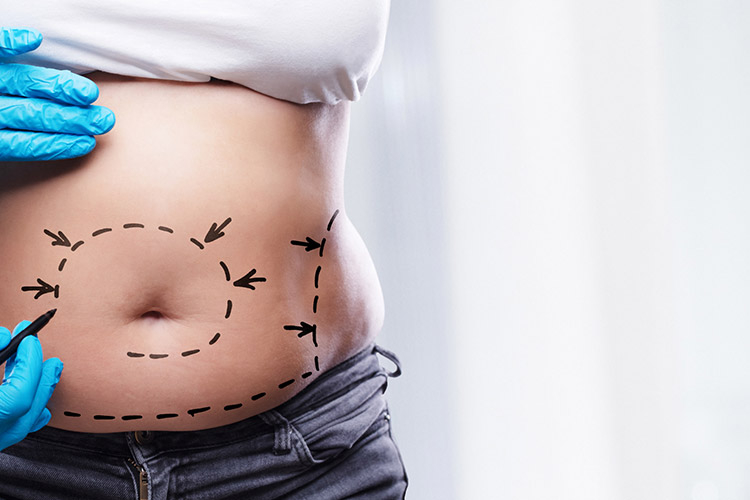
Pregnancy brings incredible joy, but it also induces profound structural changes in a woman’s body. Among the most common and persistent post-pregnancy concerns are abdominal muscle separation—known medically as diastasis recti—and skin laxity. Many mothers spend months or even years trying to target these issues through diet and rigorous exercise, only to discover that traditional fitness routines cannot fully restore stretched connective tissues or loose skin.
Understanding the anatomical underlying causes of these changes is the first step toward effective body restoration. For women looking to safely repair their core and regain their pre-pregnancy silhouette, exploring a customized Mommy Makeover Dubai offers a comprehensive, medically advanced solution that addresses both muscle structure and skin health in a single, cohesive journey.
What Is Diastasis Recti?
Diastasis recti is the partial or complete separation of the rectus abdominis muscles—commonly referred to as the "six-pack" muscles. These two parallel columns of muscle meet at the midline of the abdomen at a band of connective tissue called the linea alba.
The Science Behind Muscle Separation
As the fetus grows during pregnancy, the uterus expands, exerting continuous outward pressure on the abdominal wall. To accommodate this growth, the body releases hormones such as relaxin and estrogen, which soften connective tissues throughout the body.
Under this combination of pressure and hormonal softening, the linea alba stretches significantly, widening and thinning out. As a result, the left and right sides of the abdominal muscle wall separate.
Common Signs of Diastasis Recti:
-
A visible bulge or "pooch" in the center of the abdomen that remains despite weight loss.
-
A ridge or dome that appears when contracting the abdominal muscles (e.g., sitting up).
-
Lower back pain or poor posture resulting from weakened core support.
-
Pelvic floor dysfunction or instability in the core region.
Because diastasis recti is an issue of stretched connective tissue rather than fat storage or unconditioned muscle, traditional exercises like sit-ups or crunches cannot draw the connective tissue back together. In fact, performing intense abdominal exercises improperly can increase intra-abdominal pressure, potentially worsening the separation.
Understanding Post-Pregnancy Skin Laxity
Alongside muscle separation, skin laxity is one of the most frustrating post-pregnancy body changes. During pregnancy, the skin on the abdomen expands dramatically over a relatively short period.
Why Skin Doesn't Always "Bounce Back"
Skin elasticity depends primarily on two essential proteins found within the dermis layer: collagen (which provides structural firmness) and elastin (which allows skin to stretch and snap back into place).
When the abdominal area expands rapidly during pregnancy, these collagen and elastin fibers are stretched past their elastic limit, causing them to fray or break down. This structural damage manifests as:
-
Loose, crepey, or sagging skin around the navel and lower abdomen.
-
Stretch marks (striae), which mark where the underlying dermis tore during expansion.
-
Excess skin folds that remain even after returning to your pre-pregnancy weight.
Once the internal matrix of collagen and elastin fibers is torn or severely overstretched, diet and cardiovascular exercise can reduce underlying subcutaneous fat, but they cannot contract the remaining excess skin envelope.
Why a Mommy Makeover Is the Solution
When structural changes like diastasis recti and skin laxity reach their natural limit of healing, a custom transformation plan combines targeted procedures to repair what diet and exercise cannot fix.
1. Surgical Repair of Diastasis Recti (Abdominoplasty)
During the tummy tuck portion of a transformation, the surgeon makes a precise horizontal incision along the lower abdomen (typically below the bikini line). The surgeon then directly accesses the separated rectus abdominis muscles, bringing them back together along the midline and securing them with strong, permanent internal sutures. This internal tightening acts like a permanent corset, restoring abdominal flat shape, core strength, and spinal support.
2. Excision of Excess Skin
After the underlying muscle wall is repaired and tightened, the stretched, loose skin is drawn downward, and the excess skin is carefully excised. The remaining skin is re-anchored smoothly over the newly tightened core, dramatically reducing abdominal sagging and smoothing out skin texture.
3. Complementary Body Contouring
To achieve harmonious proportions, additional procedures are often combined with abdominal repair:
-
Liposuction: Removes stubborn fat pockets around the flanks and lower back to define the waistline.
-
Breast Restoration: Corrects lost volume or sagging tissue caused by pregnancy and lactation via breast lift, augmentation, or reduction.
What to Expect During the Journey
Undergoing a transformation requires thoughtful planning and structured post-operative care to ensure a safe, smooth, and comfortable recovery.
The Personalized Consultation
Your journey starts with an anatomical assessment. Surgeons evaluate the extent of your muscle separation using clinical measurement or ultrasound and assess your skin's overall elasticity. Advanced 3D imaging helps map out precise surgical outcomes customized to your body type.
Advanced Surgical & Anesthesia Techniques
Modern aesthetic medicine focuses heavily on patient comfort and safety. Surgical plans utilize low-nausea anesthesia protocols and refined surgical techniques to minimize internal trauma, optimize operating times, and reduce overall post-operative discomfort.
Proactive Post-Operative Care
Recovery involves a structured approach aimed at minimizing downtime and enhancing healing:
-
Custom Compression Garments: Medical-grade garments support internal healing, reduce swelling, and contour the midsection.
-
Lymphatic Drainage Therapy: Specialized massage techniques are incorporated into early post-op care to stimulate fluid clearance and ease tissue inflammation.
-
Monitored Healing: Scheduled follow-up appointments track your progress, ensuring incision sites heal into faint, discreet lines.
Preparing for Optimal Results
To achieve the best outcome from your procedure:
-
Wait Until Your Family Is Complete: Future pregnancies can re-stretch repaired abdominal muscles and skin tissue.
-
Achieve a Stable Weight: Be at or near your target weight for 3–6 months prior to surgery.
-
Plan for Recovery Assistance: Arrange for help with household tasks and childcare during the first two weeks of recovery to avoid straining healing tissues.
Reclaim Your Core Strength and Confidence
Diastasis recti and skin laxity are natural anatomical consequences of carrying a child, not a failure of effort or discipline. When you are ready to address these structural changes at their root cause, choosing a specialized facility like the Mommy Makeover Lounge gives you access to elite surgical precision, bespoke recovery protocols, and compassionate care tailored to restoring your body and self-esteem.

 English
 French
 Spanish
 Portuguese
 Deutsch
 Turkish
 Dutch
Dutch
 Italiano
 Russian
 Romaian
 Portuguese (Brazil)
 Greek
Greek