
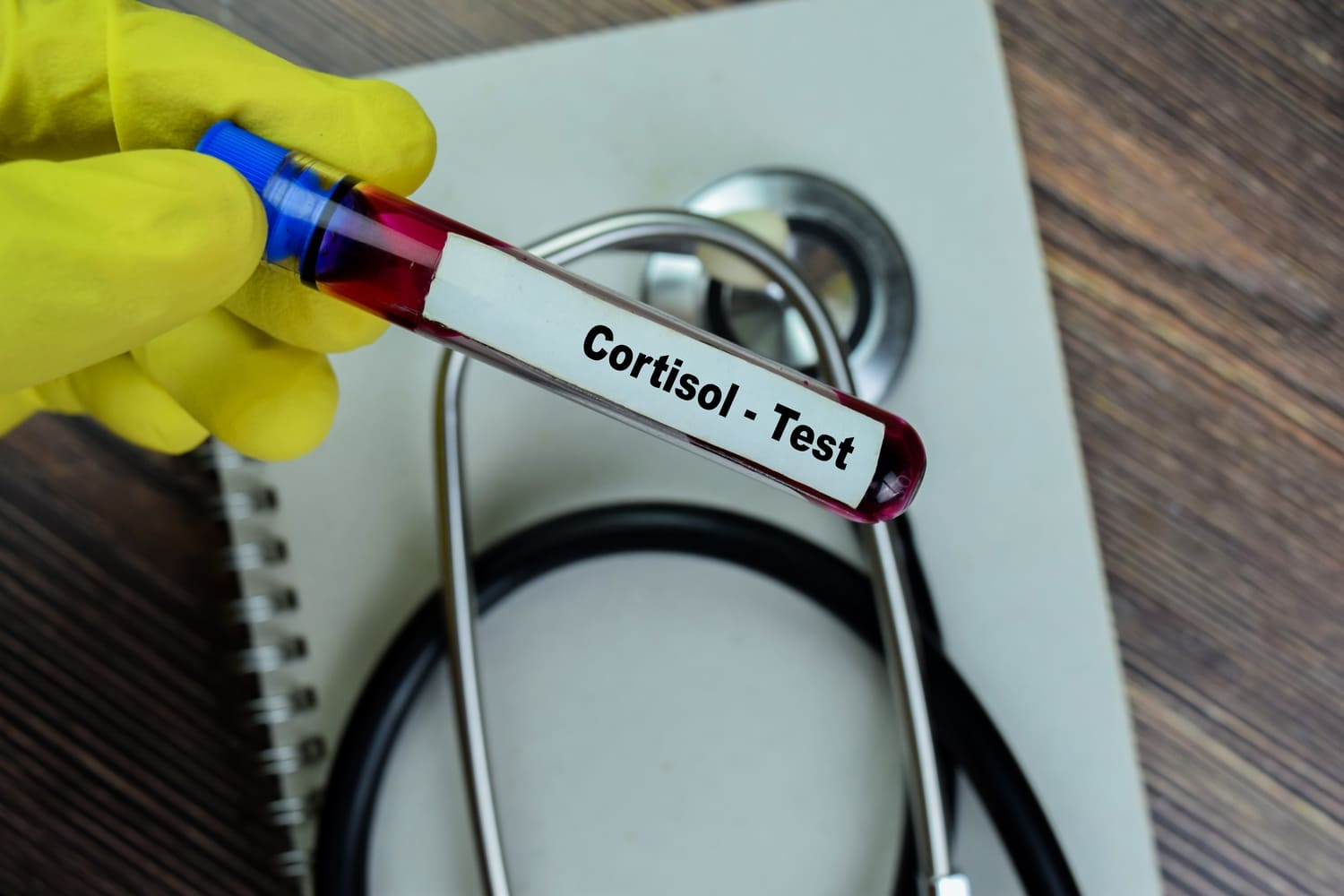
A Cortisol Blood Test is one of the most effective diagnostic tools for evaluating hormone balance and identifying disorders affecting the adrenal glands and pituitary gland. Cortisol is an essential hormone that helps regulate metabolism, blood sugar, blood pressure, immune response, inflammation, and the body's ability to respond to physical and emotional stress. Since cortisol influences nearly every major organ system, abnormal levels can lead to a wide variety of symptoms that often require medical investigation.
Both high and low cortisol levels may indicate underlying endocrine disorders, chronic illnesses, medication effects, or temporary physiological changes. A Cortisol Blood Test Dubai provides valuable information that helps healthcare providers determine whether hormone production is within the expected range and identify the possible causes of imbalance.
This guide explains what causes elevated and reduced cortisol levels, how a cortisol blood test helps diagnose these conditions, and what patients can expect during evaluation and follow-up care.
How Cortisol Is Regulated in the Body
Cortisol production is controlled through a communication system known as the hypothalamic-pituitary-adrenal (HPA) axis. The hypothalamus signals the pituitary gland to release adrenocorticotropic hormone (ACTH), which then stimulates the adrenal glands to produce cortisol.
Under normal circumstances, cortisol levels follow a natural circadian rhythm. They are highest in the early morning to help prepare the body for daily activities and gradually decline throughout the day, reaching their lowest point during the night.
This carefully balanced system ensures that cortisol is released when needed while preventing excessive hormone production.
Why Doctors Order a Cortisol Blood Test
Healthcare providers recommend a cortisol blood test when symptoms suggest an abnormality in hormone production or adrenal gland function.
The test is commonly used to:
-
Diagnose adrenal insufficiency
-
Evaluate Cushing syndrome
-
Assess pituitary gland disorders
-
Investigate unexplained fatigue
-
Monitor hormone replacement therapy
-
Detect endocrine disorders
-
Evaluate chronic hormone imbalance
It is frequently combined with an ACTH blood test or other endocrine investigations for a more complete assessment.
Causes of High Cortisol Levels
High cortisol levels, also called hypercortisolism, may develop for several different reasons. Some causes are temporary, while others require long-term medical treatment.
Cushing Syndrome
One of the most common medical causes of elevated cortisol is Cushing syndrome. This condition develops when the body produces excessive cortisol over an extended period.
Symptoms may include:
-
Weight gain around the abdomen
-
Rounded facial appearance
-
Purple stretch marks
-
Thin skin
-
Muscle weakness
-
High blood pressure
-
Elevated blood glucose
-
Slow wound healing
A cortisol blood test is often one of the first investigations used when this condition is suspected.
Long-Term Corticosteroid Therapy
Medications containing corticosteroids can increase cortisol activity in the body when taken for prolonged periods. Healthcare providers carefully monitor patients receiving these medications to minimise complications.
Pituitary Gland Disorders
A benign tumour of the pituitary gland may produce excessive ACTH, causing the adrenal glands to release higher amounts of cortisol.
Adrenal Tumours
Benign or malignant adrenal tumours can independently produce cortisol without normal hormonal regulation.
Chronic Physical or Emotional Stress
Although temporary stress naturally increases cortisol production, prolonged physical illness or emotional stress may contribute to persistently elevated hormone levels.
Severe Illness
Major infections, surgery, trauma, or critical illness can stimulate increased cortisol production as part of the body's protective response.
Causes of Low Cortisol Levels
Low cortisol production, also known as hypocortisolism, may result from reduced adrenal gland function or inadequate hormonal stimulation from the pituitary gland.
Addison's Disease
Addison's disease is one of the most recognised causes of low cortisol levels. It occurs when the adrenal glands become damaged and cannot produce sufficient hormones.
Common symptoms include:
-
Persistent fatigue
-
Weight loss
-
Low blood pressure
-
Salt cravings
-
Nausea
-
Vomiting
-
Muscle weakness
-
Skin darkening
Without treatment, severe adrenal insufficiency may lead to an adrenal crisis requiring emergency medical care.
Primary Adrenal Insufficiency
Primary adrenal insufficiency occurs when disease directly affects the adrenal glands, reducing cortisol production despite adequate ACTH stimulation.
Secondary Adrenal Insufficiency
Secondary adrenal insufficiency develops when the pituitary gland fails to release enough ACTH, resulting in decreased cortisol production by otherwise healthy adrenal glands.
Sudden Withdrawal of Corticosteroids
Patients who stop long-term corticosteroid medication abruptly may temporarily experience low cortisol production because the adrenal glands require time to resume normal hormone synthesis.
Rare Genetic Disorders
Certain inherited conditions affecting adrenal gland development or hormone production may also contribute to reduced cortisol levels.
Symptoms Associated With High and Low Cortisol
Although symptoms vary from person to person, recognising common warning signs can help identify when further testing may be necessary.
Symptoms of High Cortisol
Individuals with elevated cortisol may experience:
-
Central weight gain
-
High blood pressure
-
High blood sugar
-
Muscle weakness
-
Easy bruising
-
Thin skin
-
Mood changes
-
Sleep disturbances
-
Frequent infections
Symptoms of Low Cortisol
Reduced cortisol production may cause:
-
Extreme fatigue
-
Unexplained weight loss
-
Low blood pressure
-
Dizziness
-
Poor appetite
-
Nausea
-
Muscle aches
-
Salt cravings
-
General weakness
Persistent symptoms should always be evaluated by a qualified healthcare provider.
Factors That May Temporarily Affect Cortisol Levels
Not every abnormal cortisol result indicates an endocrine disorder. Several temporary factors can influence hormone production.
These include:
-
Emotional stress
-
Vigorous exercise
-
Pregnancy
-
Acute illness
-
Sleep deprivation
-
Smoking
-
Recent surgery
-
Certain prescription medications
Healthcare providers consider these factors carefully before interpreting laboratory findings.
How the Cortisol Blood Test Is Performed
The cortisol blood test is a routine outpatient procedure requiring only a small blood sample.
The process typically includes:
-
Confirming patient details.
-
Cleaning the skin over a vein.
-
Applying a tourniquet.
-
Collecting a blood sample.
-
Sending the specimen to the laboratory for hormone analysis.
Morning blood collection is usually preferred because cortisol levels naturally peak shortly after waking.
Understanding Test Results
Cortisol blood test results must always be interpreted alongside symptoms, medical history, physical examination, and additional laboratory findings.
Elevated Results May Suggest
High cortisol levels may indicate:
-
Cushing syndrome
-
Adrenal tumours
-
Pituitary disorders
-
Chronic stress
-
Severe illness
-
Long-term corticosteroid use
Reduced Results May Suggest
Low cortisol levels may indicate:
-
Addison's disease
-
Primary adrenal insufficiency
-
Secondary adrenal insufficiency
-
Pituitary hormone deficiency
-
Congenital adrenal disorders
Further evaluation is often necessary before confirming a diagnosis.
Additional Tests That May Be Required
A cortisol blood test often serves as the starting point for endocrine evaluation.
Healthcare providers may recommend:
-
ACTH blood test
-
ACTH stimulation test
-
Dexamethasone suppression test
-
Salivary cortisol test
-
Twenty-four-hour urinary cortisol test
-
Blood glucose testing
-
Electrolyte analysis
-
MRI of the pituitary gland
-
CT scan of the adrenal glands
Combining these investigations helps identify the exact cause of abnormal cortisol production.
Can High or Low Cortisol Be Treated?
Treatment depends on the underlying cause rather than the cortisol level alone.
Management may include:
-
Hormone replacement therapy
-
Adjusting corticosteroid medications
-
Treating pituitary disorders
-
Managing adrenal gland disease
-
Surgery for certain adrenal or pituitary tumours
-
Ongoing endocrine monitoring
Early diagnosis allows healthcare providers to begin appropriate treatment before complications develop.
Supporting Healthy Hormone Balance
Although not all endocrine disorders can be prevented, healthy lifestyle habits support overall adrenal health.
Helpful practices include:
-
Maintaining regular sleep patterns
-
Following a balanced diet
-
Staying physically active
-
Managing stress effectively
-
Attending routine medical check-ups
-
Taking medications only as prescribed
These habits contribute to better endocrine function and overall wellbeing.
Frequently Asked Questions
Can stress alone cause high cortisol?
Temporary emotional or physical stress can increase cortisol levels, but persistently elevated levels require medical evaluation to identify the underlying cause.
Does one cortisol blood test confirm an adrenal disorder?
Not always. Additional hormone testing and imaging studies are often needed to confirm a diagnosis.
Can medications affect cortisol results?
Yes. Corticosteroids, hormone therapies, oral contraceptives, and several other medications may influence cortisol measurements.
Why is the test usually performed in the morning?
Cortisol naturally reaches its highest concentration shortly after waking, making morning testing the most reliable time for baseline assessment.
Should abnormal cortisol results always be treated?
Treatment depends on the underlying diagnosis, symptoms, and additional test results rather than the cortisol level alone.
Conclusion
A Cortisol Blood Lab tests is an essential diagnostic investigation that helps identify the causes of both high and low cortisol levels. Whether evaluating Cushing syndrome, Addison's disease, adrenal insufficiency, pituitary disorders, or the effects of long-term corticosteroid therapy, the test provides valuable insight into hormone regulation and adrenal gland function. Because temporary factors such as stress, illness, medications, and sleep patterns can also influence cortisol production, results must always be interpreted alongside clinical symptoms and additional endocrine investigations. Understanding the causes of abnormal cortisol levels enables earlier diagnosis, more effective treatment, and better long-term management of endocrine health, helping patients maintain overall wellbeing and reduce the risk of complications.

 English
 Arabic
 French
 Spanish
 Portuguese
 Deutsch
 Turkish
 Dutch
Dutch
 Italiano
 Russian
 Romaian
 Portuguese (Brazil)