
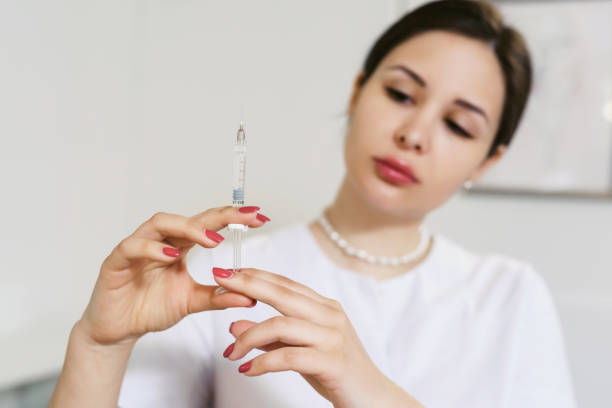
Sports injuries often involve damage to tendons, ligaments, and muscles—tissues that heal slowly and incompletely. Peptide Treatment in Riyadh Unlike bone, which has a rich blood supply and can remodel effectively, tendons and ligaments have limited vascularity, meaning they receive fewer nutrients and heal more slowly. This is why a mild muscle strain can resolve in a few weeks, while a tendon injury can persist for months, leading to frustration for athletes and active individuals.
The slow healing of these tissues is not a failure of the body but a reflection of their structure and biology. This is where peptide therapy has attracted attention—not as a standalone cure, but as a potential support for the body's repair mechanisms.
Why Tendons and Ligaments Heal Differently
Tendons connect muscle to bone, while ligaments connect bone to bone. Both are made primarily of collagen, arranged in dense, parallel bundles. This structure provides strength but limits blood flow, which slows the delivery of oxygen and nutrients necessary for healing. A 2024 study published in the American Journal of Sports Medicine reviewed the evidence for commonly promoted injectable peptides in orthopedics, noting that while some preclinical data are promising, the lack of controlled human trials makes it difficult to draw firm conclusions about their efficacy in practice.
How Peptides May Support Soft Tissue Repair
Several peptides have been studied for their potential to support tendon, ligament, and muscle healing. The evidence base is strongest in preclinical models, with human data still limited.
BPC-157: A Repair-Focused Peptide
BPC-157 has been studied in animal models for its potential to accelerate tendon and ligament healing. One study on Achilles tendon ruptures in rats found that BPC-157 promoted faster healing and improved biomechanical properties. However, the same 2024 review noted that a single human case series reported pain improvements after intra-articular knee injections, though methodological limitations and a lack of controls limit its applicability.
TB-500: Supporting Tissue Remodeling
TB-500 has been shown in animal models to promote angiogenesis (new blood vessel formation) and cell migration, which are important for tissue repair. Human data remain limited, and the 2024 review concluded that no human orthopaedic data are available for TB-500 at the time of publication.
GHK-Cu: A Copper-Binding Peptide
GHK-Cu is a copper-binding peptide that has been studied for its potential to stimulate collagen production and reduce inflammation. It has been explored in topical formulations and in the context of wound healing, but data on its use for sports injuries are limited.
Peptides as Part of a Comprehensive Injury Plan
Peptide therapy should not be viewed as a substitute for evidence-based rehabilitation. Tendon, ligament, and muscle injuries respond best to a structured rehabilitation program that includes appropriate loading, strengthening, and activity modification. For athletes considering peptide therapy, professional guidance is essential.
Professional Assessment: A qualified sports medicine practitioner can assess the nature and severity of your injury and recommend an appropriate management plan.
Rehabilitation First: The foundation of recovery remains structured rehabilitation, including appropriate loading, strengthening, and activity modification.
Setting Realistic Expectations: Tendon and ligament healing takes time. Peptides, if used, are a supportive measure, not a shortcut to full recovery.
The Importance of Professional Guidance
The decision to use peptides for a sports injury should be made in consultation with a qualified provider who understands your injury, your overall health, and the regulatory and safety considerations involved.
For those seeking expert guidance and customized aesthetic care, you can book an appointment consultation at the Enfield Royal Clinic.
Frequently Asked Questions
Can peptides heal a torn tendon?
There is no conclusive human evidence that peptides can fully heal a torn tendon. Rehabilitation remains the standard of care.
How long does peptide therapy take to work for injuries?
If benefits are observed, they develop gradually over weeks to months. Peptides do not produce immediate effects.
Are there risks to using peptides for injuries?
Risks include injection-site reactions and, in unregulated settings, contamination or incorrect dosing. Professional supervision is essential.
Can I use peptides instead of physical therapy?
No. Peptides are not a replacement for structured rehabilitation. They may have supportive potential but should not substitute for rehabilitation.
What does the evidence say about peptides for sports injuries?
The evidence is largely preclinical. A 2024 review concluded that robust human trial data are lacking for most commonly promoted peptides.

 English
 Arabic
 French
 Spanish
 Portuguese
 Turkish
 Dutch
Dutch
 Italiano
 Russian
 Romaian
 Portuguese (Brazil)
 Greek
Greek