
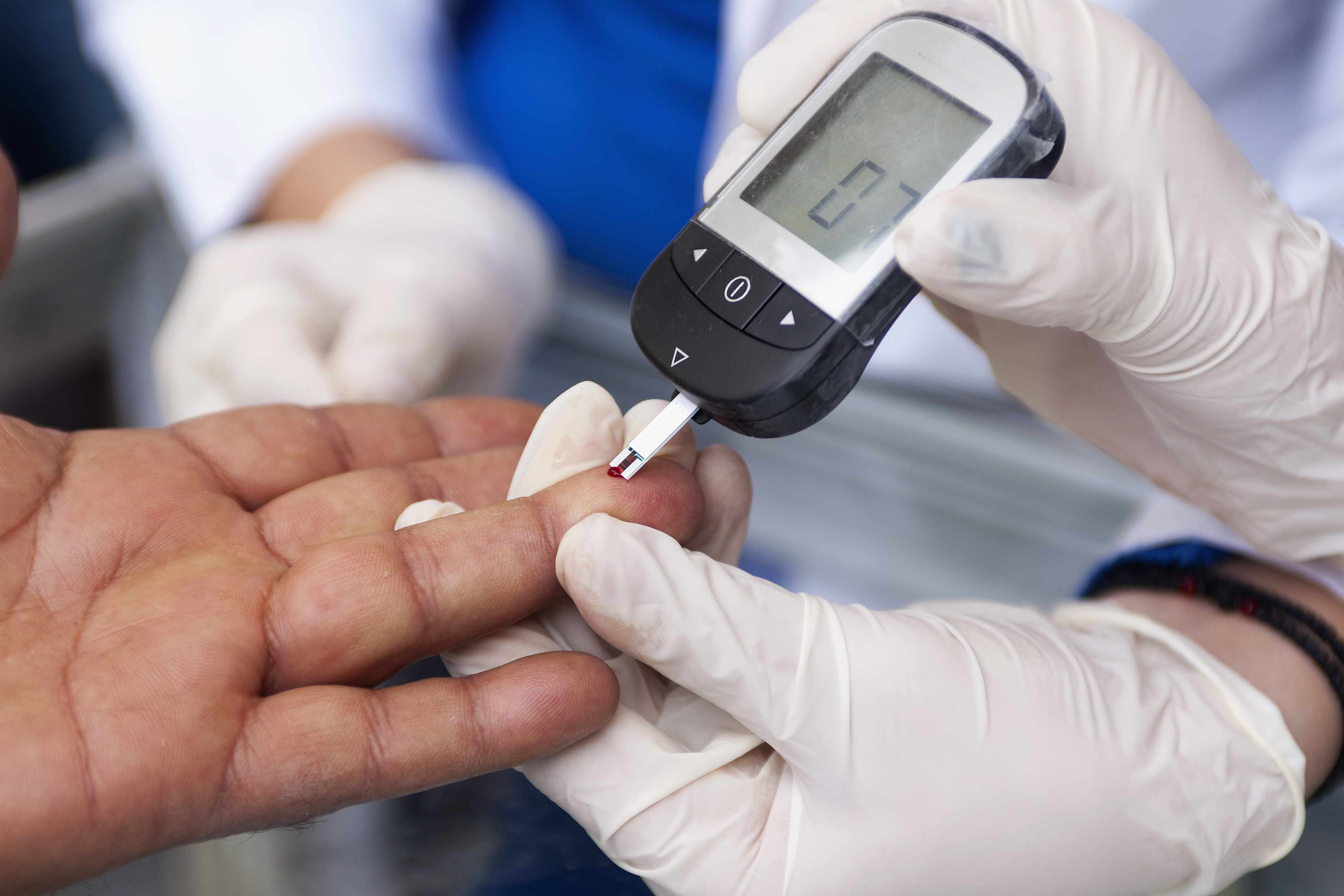
When healthcare providers evaluate your blood glucose levels, they often recommend either a blood sugar test or an HbA1c test. While both tests are used to diagnose diabetes, monitor blood glucose, and assess metabolic health, they measure different aspects of your body's glucose control. Understanding the difference between these tests helps you better interpret your results and appreciate why your healthcare provider may order one—or both.
Many people assume these tests are interchangeable, but they serve distinct purposes. A Blood Sugar Test Dubai provides a snapshot of your glucose level at a specific moment, whereas an HbA1c test reflects your average blood sugar over the past two to three months. Together, these tests offer a more complete picture of your overall glucose management and insulin function.
Understanding the Basics of Both Tests
Before comparing the two, it's helpful to understand what each test actually measures.
A blood sugar test measures the amount of glucose circulating in your bloodstream at the time the sample is collected. Depending on the type of test, it may require fasting, be performed after a meal, or be taken randomly during the day.
An HbA1c test measures glycated hemoglobin, which forms when glucose attaches to red blood cells. Since red blood cells typically live for about three months, the HbA1c test estimates your average blood glucose during that period rather than providing a single reading.
Although both tests evaluate glucose regulation, they answer different clinical questions.
How Blood Sugar Tests Work
Blood sugar testing directly measures glucose in your blood at one specific moment.
Healthcare providers commonly use several forms of blood glucose testing, including fasting blood sugar tests, random blood sugar tests, postprandial blood sugar tests, and oral glucose tolerance tests.
Because glucose levels fluctuate throughout the day based on meals, exercise, medications, stress, and sleep, blood sugar tests are especially useful for identifying immediate changes in glucose levels and diagnosing acute abnormalities.
Individuals living with diabetes may also perform home blood glucose monitoring using a glucose meter to evaluate daily blood sugar fluctuations.
How the HbA1c Test Works
Unlike daily glucose testing, the HbA1c test focuses on long-term blood sugar control.
As glucose circulates in the bloodstream, some of it naturally binds to hemoglobin inside red blood cells. The higher your average blood glucose remains over time, the greater the amount of glycated hemoglobin that develops.
Because red blood cells survive for approximately two to three months, HbA1c provides an overall picture of glucose management rather than reflecting temporary fluctuations caused by recent meals or physical activity.
This makes the HbA1c test particularly valuable for evaluating diabetes treatment effectiveness and identifying persistent hyperglycemia.
Key Differences Between Blood Sugar Tests and HbA1c
Although both tests assess glucose metabolism, several important differences distinguish them.
Time Frame Measured
A blood sugar test measures glucose at a single point in time, while an HbA1c test reflects average blood glucose over several months.
Effect of Meals
Many blood sugar tests are influenced by recent food intake, especially fasting and post-meal glucose tests. HbA1c results are generally unaffected by what you ate on the day of testing.
Daily Monitoring
Blood glucose tests are ideal for monitoring daily fluctuations and making immediate treatment decisions. HbA1c is designed to evaluate long-term glucose trends rather than hourly or daily changes.
Preparation Requirements
Certain blood sugar tests require fasting for eight hours or longer before testing. HbA1c testing usually does not require fasting, making it more convenient for many patients.
Clinical Purpose
Blood sugar testing helps diagnose diabetes, detect hypoglycemia, monitor medications, and assess immediate glucose changes. HbA1c is primarily used to evaluate long-term diabetes management and overall glucose control.
When Doctors Recommend a Blood Sugar Test
Healthcare providers choose blood sugar testing in many different situations.
It is commonly recommended during routine health examinations, when symptoms such as excessive thirst or frequent urination appear, during pregnancy to evaluate gestational diabetes, before surgery, or when monitoring the effectiveness of insulin and diabetes medications.
Blood glucose testing is also valuable during acute illness because infections, medications, and stress may temporarily increase blood sugar levels.
Patients who use insulin often rely on daily blood glucose monitoring to adjust medication doses safely.
When an HbA1c Test Is More Appropriate
An HbA1c test becomes especially useful when healthcare providers want to understand long-term glucose control rather than temporary changes.
It is frequently ordered after an initial diabetes diagnosis, during routine diabetes follow-up appointments, and when evaluating whether lifestyle modifications or medications are effectively lowering average blood glucose levels.
Because HbA1c reflects several months of glucose history, it helps identify individuals whose blood sugar may appear normal on a single day but remains elevated over time.
Regular HbA1c testing also supports ongoing diabetes management by tracking progress and reducing the risk of complications.
Advantages of Blood Sugar Testing
Blood sugar tests offer several important benefits.
They provide immediate results, identify sudden episodes of hyperglycemia or hypoglycemia, support emergency medical decisions, evaluate the body's response to meals, guide insulin adjustments, and help diagnose diabetes during the earliest stages.
Daily blood glucose monitoring also empowers individuals with diabetes to understand how diet, exercise, stress, illness, and medications influence their glucose levels.
Advantages of HbA1c Testing
HbA1c testing provides benefits that daily blood sugar testing cannot offer.
Because it reflects average glucose over time, HbA1c reduces the influence of temporary fluctuations caused by meals, stress, or physical activity. It provides a broader picture of metabolic health and helps healthcare providers evaluate whether diabetes treatment plans remain effective.
Since fasting is generally unnecessary, scheduling the test is often easier and more convenient.
HbA1c is widely recognized as one of the most valuable laboratory tools for monitoring long-term diabetes control.
Can One Test Replace the Other?
A common question is whether HbA1c can completely replace traditional blood sugar testing.
The answer is no.
Blood sugar tests and HbA1c complement one another rather than compete. A person may have a normal fasting blood sugar on the day of testing but still have an elevated HbA1c because glucose has remained consistently high over previous months.
Likewise, HbA1c cannot detect sudden episodes of dangerously low blood sugar or rapid glucose changes that require immediate medical attention.
Using both tests together provides healthcare professionals with the most accurate understanding of a person's glucose regulation.
Supporting Healthy Blood Glucose Between Tests
Regardless of which test your healthcare provider recommends, healthy lifestyle habits remain the foundation of blood sugar control.
Choose meals rich in vegetables, whole grains, lean protein, legumes, healthy fats, and dietary fiber while limiting refined sugars and processed carbohydrates. Regular physical activity improves insulin sensitivity and helps maintain stable blood glucose levels throughout the day.
Maintaining a healthy weight, managing stress, staying hydrated, getting sufficient sleep, and attending routine medical checkups further contribute to long-term metabolic health.
Periodic blood glucose monitoring and scheduled HbA1c testing allow healthcare providers to detect changes early and adjust treatment when necessary.
Conclusion
Both blood sugar Lab tests and HbA1c tests play essential roles in diabetes diagnosis, blood glucose monitoring, and preventive healthcare. While a blood sugar test provides immediate information about your current glucose level, an HbA1c test reveals how well your blood sugar has been controlled over the past two to three months.
Rather than viewing one test as better than the other, it is more helpful to recognize that they work together to provide a complete assessment of your metabolic health. Understanding the differences between these tests allows you to interpret your results with greater confidence, participate actively in your healthcare decisions, and take meaningful steps toward maintaining healthy blood glucose levels for the future.

 English
 French
 Spanish
 Portuguese
 Deutsch
 Turkish
 Dutch
Dutch
 Italiano
 Russian
 Romaian
 Portuguese (Brazil)
 Greek
Greek