
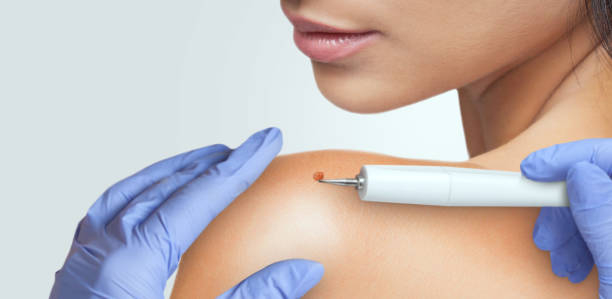
If you have decided to have a mole removed, you may be surprised to learn that there is more than one way to do it. Each method has its own advantages, limitations, and ideal applications. Understanding your options is empowering. It allows you to have an informed conversation with your doctor and make a decision that aligns with your goals, your mole's characteristics, and your personal preferences.
Dubai offers a comprehensive range of mole removal options, from traditional surgical techniques to advanced laser technology. The best choice for you will depend on several factors, including the type of mole you have, its location, your skin type, and your desired outcome. This article will walk you through all the available options for mole removal in Dubai, explaining each method in detail so you can understand what to expect and make the right choice for your needs.
The Main Options for Mole Removal in Dubai
When you consult a dermatologist for mole removal in Dubai, they will typically present you with three main options. Each option is suited to different types of moles and patient preferences.
Option 1: Shave Excision
Shave excision is one of the most common and straightforward methods for removing moles. It is particularly effective for moles that are raised above the skin's surface.
How Shave Excision Works
The procedure is simple and quick:
-
Numbing: The area around the mole is numbed with a local anesthetic. You will feel a small pinch from the injection, but the area will become completely numb within a few minutes.
-
Shaving: Using a specialized, sterile blade, the doctor carefully shaves the mole off at the level of the surrounding skin. The goal is to remove the raised portion, leaving a flat surface.
-
Dressing: A sterile dressing is applied to the area to protect it as it heals.
Advantages of Shave Excision
-
Quick Procedure: The entire process typically takes less than 15 minutes.
-
Minimal Discomfort: The local anesthetic ensures you feel no pain during the procedure.
-
No Stitches: Because the cut is superficial, stitches are usually not required.
-
Fast Recovery: Most patients can return to their normal activities immediately.
-
Minimal Scarring: The scar is usually flat and fades over time.
Limitations of Shave Excision
-
Not Suitable for All Moles: This method is best for raised moles. It is not suitable for flat moles or moles that extend deep into the skin.
-
Potential for Regrowth: If some mole cells remain beneath the surface, the mole may regrow, although this is rare.
-
No Biopsy: Shave excision does not provide a complete tissue sample for biopsy, making it unsuitable for suspicious moles.
Option 2: Surgical Excision
Surgical excision is a more comprehensive method that involves cutting out the entire mole along with a small margin of healthy skin.
How Surgical Excision Works
-
Numbing: The area is numbed with a local anesthetic.
-
Cutting: Using a scalpel, the doctor cuts out the entire mole and a small border of surrounding skin.
-
Closure: The wound is closed with stitches. These may be dissolvable or may need to be removed after 7 to 14 days.
-
Biopsy: The removed tissue is sent to a laboratory for pathological examination to ensure it is benign.
Advantages of Surgical Excision
-
Complete Removal: The entire mole is removed, minimizing the chance of regrowth.
-
Allows for Biopsy: This is the only method that provides a complete tissue sample for examination, which is essential for suspicious moles.
-
Suitable for All Mole Types: It can be used for any type of mole, regardless of its size or depth.
Limitations of Surgical Excision
-
Longer Procedure: The procedure takes longer than shave excision, typically 20 to 45 minutes.
-
Stitches Required: You will need to have the stitches removed or wait for them to dissolve.
-
Longer Recovery: You will need to care for the stitches and avoid strenuous activity for a few days.
-
More Noticeable Scarring: The scar from surgical excision may be more noticeable initially, although it will fade over time.
Option 3: Laser Mole Removal
Laser removal is a non-invasive option that uses targeted light energy to break down the pigment in the mole.
How Laser Mole Removal Works
-
Preparation: The area is cleaned, and you may be given protective eyewear.
-
Laser Application: A specialized laser beam is directed at the mole. The laser energy is absorbed by the pigment cells, causing them to break apart.
-
Natural Clearance: The body's immune system gradually clears away the fragmented pigment over several weeks.
Advantages of Laser Mole Removal
-
Non-Invasive: No cutting or stitches are required.
-
Precision: The laser targets only the pigment cells, minimizing impact on surrounding skin.
-
Minimal Scarring: Laser removal typically results in minimal scarring.
-
Quick Procedure: Each session takes about 15 to 30 minutes.
Limitations of Laser Mole Removal
-
Limited Effectiveness: Laser is most effective on flat, pigmented moles. It is less effective on raised or flesh-colored moles.
-
Multiple Sessions: Often, multiple laser sessions are needed to achieve the desired result.
-
No Biopsy: Like shave excision, laser removal does not allow for a biopsy, making it unsuitable for suspicious moles.
-
Risk of Pigmentation Changes: There is a risk of hyperpigmentation (darkening) or hypopigmentation (lightening) of the skin, especially in darker skin types.
Comparing Your Options
To help you visualize the differences between the options for mole removal in Dubai, here is a comparison table.
| Feature | Shave Excision | Surgical Excision | Laser Removal |
|---|---|---|---|
| Best For | Raised moles | All mole types, especially deep or suspicious | Flat, pigmented moles |
| Procedure Time | 10-20 minutes | 20-45 minutes | 15-30 minutes |
| Stitches | Usually not needed | Required | Not needed |
| Biopsy | Not possible | Possible | Not possible |
| Recovery Time | 1-2 weeks | 2-3 weeks | Minimal |
| Scarring | Minimal, flat scar | More noticeable initially | Minimal |
| Number of Sessions | One | One | Multiple may be needed |
| Pain | Minimal (local anesthetic) | Minimal (local anesthetic) | Minimal (may feel heat) |
Choosing the Right Option for You
With three distinct options available, how do you choose? The decision should be made in consultation with your dermatologist, who will consider several factors.
Factors to Consider
1. Type of Mole:
-
Is the mole raised or flat?
-
Is it pigmented or flesh-colored?
-
Is it large or small?
2. Location of the Mole:
-
Is it in a visible area like your face or neck?
-
Is it in an area that experiences friction from clothing?
3. Medical History:
-
Do you have a history of skin cancer?
-
Do you have a tendency to form keloid scars?
-
Do you have any bleeding disorders?
4. Your Goals:
-
Are you primarily concerned about cosmetic appearance?
-
Is there a medical concern that requires a biopsy?
5. Your Skin Type:
-
Do you have fair, medium, or dark skin?
-
Are you prone to hyperpigmentation?
Questions to Ask Your Doctor
During your consultation, ask these questions to help you make an informed decision:
-
"Which removal method do you recommend for my mole and why?"
-
"What are the risks and benefits of each option?"
-
"What kind of scarring can I expect?"
-
"Do I need a biopsy, and if so, which method allows for that?"
-
"How long will the recovery take for each option?"
-
"How many sessions will I need if I choose laser removal?"
Combining Options: A Hybrid Approach
In some cases, your doctor may recommend a combination of techniques. For example:
-
A suspicious mole may be removed with surgical excision for biopsy, while other cosmetic moles on your face are removed with laser to minimize scarring.
-
A large mole may be removed with surgical excision, but laser is used afterward to improve the appearance of the scar.
This hybrid approach allows you to benefit from the advantages of each technique, achieving the best possible overall result.
Why Dubai Offers the Best Options for Mole Removal
Dubai is an ideal destination for mole removal because it offers access to all three options, performed by highly skilled professionals using the latest technology.
World-Class Dermatologists
Dubai's dermatologists are trained at prestigious institutions and have extensive experience with all mole removal techniques. They can guide you to the best option for your specific case.
Advanced Technology
Dubai's clinics are equipped with state-of-the-art lasers and surgical tools, ensuring safe and effective treatment.
Comprehensive Care
From the initial consultation through to aftercare, Dubai's clinics provide comprehensive, patient-focused care. You will be supported every step of the way.
Competitive Pricing
While Dubai offers world-class care, the prices for mole removal are often competitive with those in Western countries, making it an attractive option for patients seeking high-quality treatment.
Frequently Asked Questions
1. Which mole removal option is the least painful?
All options are performed under local anesthesia, so you will not feel pain during the procedure. Discomfort during recovery is generally mild and manageable.
2. Which option leaves the least scarring?
Laser removal and shave excision typically result in minimal scarring. Surgical excision may leave a more noticeable scar initially, but it will fade over time.
3. Can I choose the option I prefer, or does the doctor decide?
Your doctor will recommend the best option based on your mole's characteristics and your medical history. However, the final decision is made together, taking your preferences into account.
4. Is laser removal better than surgery?
Not necessarily. Laser removal is better for certain types of moles, while surgery is better for others. The "better" option depends on your specific case.
5. How do I know if my mole needs a biopsy?
Your doctor will assess your mole using a dermatoscope. If it shows any suspicious features, a biopsy will be recommended.
6. Can I have multiple moles removed using different techniques?
Yes, it is possible to use different techniques for different moles in the same session.
7. Does insurance cover all three options?
Insurance typically covers mole removal if it is medically necessary. Coverage may vary for different techniques, especially laser removal, which is often considered cosmetic.
8. How long do I need to wait between laser sessions?
Laser sessions are typically spaced 4 to 6 weeks apart to allow your skin to heal and the pigment to clear.
9. Can I go swimming after any of these procedures?
You should avoid swimming in pools, oceans, or lakes until the wound has fully healed to prevent infection.
10. Which option is fastest for recovery?
Laser removal and shave excision generally have the fastest recovery times, allowing you to return to normal activities almost immediately.
Your Path to Clearer Skin: Choose the Right Option
Understanding the options for mole removal in Dubai is the first step toward achieving the clear, beautiful skin you desire. Whether you choose shave excision, surgical excision, or laser removal, you can be confident that you are receiving expert care in a world-class medical environment. The key is to consult with a qualified dermatologist who can guide you to the best option for your unique situation.
At Tajmeels Clinic, we offer all three mole removal options, performed by experienced dermatologists who prioritize your safety and satisfaction. We take the time to understand your concerns, explain your options, and develop a personalized treatment plan that achieves the best possible results. Contact us today to schedule your consultation and take the first step toward clearer, more confident skin.

 English
 French
 Spanish
 Portuguese
 Deutsch
 Turkish
 Dutch
Dutch
 Italiano
 Russian
 Romaian
 Portuguese (Brazil)
 Greek
Greek